
Business
Federal Reserve Interest Rate Decision Sparks Big Moves in Oil and Stock Markets


The U.S. Federal Reserve wrapped up its two-day policy meeting on July 29, 2026, with all eyes on whether it would hold interest rates or surprise markets with a hike. Rising oil prices, tied to ongoing tension between the U.S. and Iran, pushed inflation worries back into focus and shook up trading in both the oil and stock markets this week.
Fed Holds Steady, But Warns Inflation Risks Are Rising
The Federal Reserve’s policy meeting, led by Fed Chair Kevin Warsh, concluded on Wednesday with the central bank’s benchmark rate decision announced at 2:00 p.m. ET, followed by a press conference at 2:30 p.m. Most economists expected the Fed to keep its target rate steady in the 3.50% to 3.75% range, which would mark the fifth straight meeting without a change.
Even so, the decision was not an easy one. Bond traders had placed strong odds on a hold, but a notable share of the market was betting on a surprise rate hike. The reason: oil prices have jumped roughly 20% in July alone, driven largely by ongoing fighting involving Iran. That spike threatens to push headline inflation higher in the months ahead, putting the Fed in a tricky spot between supporting the economy and keeping prices in check.
Why Oil and Stock Markets Are Reacting So Sharply
Markets tend to move fast around Fed meetings, and this one was no exception. Oil prices have been especially volatile, swinging with each headline about the Iran conflict, while stocks turned mixed as investors weighed falling crude prices against a continuing sell-off in semiconductor shares.
Here’s why the reaction has been so strong:
- Inflation pressure: Higher oil prices raise the cost of everything from gasoline to shipping, which can push inflation numbers higher and make future rate cuts harder to justify.
- Uncertain guidance: Chair Warsh has signaled he’ll offer less “forward guidance” than his predecessors, leaving investors with fewer hints about what comes next.
- Global tension: The Iran situation adds a layer of unpredictability that goes beyond normal economic data, making it harder for traders to price in future Fed moves with confidence.
What This Means Going Forward
Even with rates on hold for now, the Fed’s tone has shifted. At its last meeting in June, the committee’s own projections turned more hawkish, with several officials expecting rates to end the year higher rather than lower. That’s a notable change from earlier in the year, when a rate cut looked more likely.
For everyday investors, financial experts continue to recommend sticking with long-term investment plans rather than trying to time market swings around each Fed announcement. With oil prices, inflation data, and geopolitical events all in play, the coming months are likely to keep both Wall Street and everyday consumers watching the Federal Reserve’s next move closely.
READ MORE: https://usmagazine.co.uk/

Abstract
Knowing how to start a dissertation matters long before the first chapter is drafted. This guide covers topic selection, research question design, proposal planning, methodology decisions, and realistic scheduling, helping postgraduate researchers avoid the structural errors that cost marks and delay final submission.
Key Takeaways
- Dissertations are assessed on planning quality, not writing speed; most lost marks originate in decisions made before Chapter One.
- A workable topic must be specific, researchable, ethically approvable, and deliverable within the submission window.
- Research questions govern the literature review, methodology, and analysis, so they are written first, not last.
- A proposal and chapter outline prevent duplication, structural drift, and late methodology changes.
- A realistic timeline should build in ethics approval, slow recruitment, and supervisor feedback cycles.
Introduction
For many students, the major concern is knowing how to start writing a dissertation. That uncertainty routinely stalls topic selection for months while the submission deadline does not move. It is necessary to understand that dissertations are mostly judged at the initial stages, even before the first chapter is finished. Weak planning produces poorly formulated research questions, thin argumentation, an unworkable methodology, and avoidable delays.
This guide explains the first steps in writing a dissertation, from choosing a dissertation topic to drafting a proposal, alongside a realistic timeline for each chapter. Students who want structured support at this stage often turn to The Academic Papers UK, a reliable academic resource for dissertation help alongside dissertation planning and editorial guidance.
Before You Start Writing, Understand What a Dissertation Really Is
First, it is necessary to develop a clear concept of what a dissertation is. A dissertation refers to a formal form of academic writing required for graduation, master’s, and PhD degrees. It is not a long assignment, but it is a massive amount of independent work with critical thinking, methodological planning, and academic rigour.
The Difference Between an Assignment and a Dissertation
An assignment and a dissertation are both academic assessments, but there are some differences mentioned below.
- Students are expected to solve a research problem by gathering detailed information. On the other hand, an assignment may not require direct data collection from the participants.
- Students are required to analyse, compare and critique literature and texts, rather than merely summarise.
- A dissertation should display a level of knowledge about a particular topic, and the capacity to participate in scholarly discussions, which is not a characteristic of an assignment.
What Examiners Look For
Marking criteria vary by institution, but four judgements recur across British university rubrics.
- Originality: Clear evidence of a unique approach, a gap in knowledge, or a contribution to knowledge.
- Critical thinking: Analysing evidence, questioning assumptions, forming logical arguments.
- Methodological justification: Clear reasoning for the selected research design, research methods, and data collection techniques.
- Academic contribution: A finding that adds to what is already known in the field or enhances understanding of the topic.
Requesting the marking rubric and two or three past distinction-graded dissertations from your department is the single most efficient piece of preparation available, and most supervisors will supply both on request.
Step-by-Step Guide to Start Writing A Dissertation
Step 1: Start with the End in Mind
Before considering how to write a dissertation introduction, map the route from topic selection to conclusion. Many students select a subject for personal interest, which turns out not to be suitable for academic requirements or research. When it comes to how to start writing a dissertation, you should select an appropriate research topic that is feasible, novel, relevant, and ethically approvable.
Reverse-Engineering a High-Scoring Dissertation
Before starting dissertation writing, you must go through a dissertation introduction guide and marking criteria, which will help you follow guidelines carefully and gain higher marks. This comprehensive reading allows you to:
- Know what to expect in assessment and how grades are going to be determined.
- Understand which skills or competencies examiners are assessing.
- Identify the key elements required for a successful dissertation, including critical analysis, originality, and method.
Questions to Ask Before Selecting Any Research Idea
The following are certain questions that are considered first steps in writing a dissertation;
- Will I be able to meet the deadline for this project?
- Will I be able to select participants and data sets or resources I need?
- Can I get enough data related to my research topic to address the research questions?
- Does my dissertation planning guide account for ethics approval, which can take several weeks?
Step 2: Choosing a Dissertation Topic That Would Not Cause Problems Later
The dissertation writing process starts with filtering out areas of interest, and after narrowing the domain, students should select a specific topic that addresses the literature gap. Selecting an inappropriate topic can introduce problems from the beginning of the research process, in literature search, data collection, and data analysis.
Why Interesting Topics Often Make Poor Dissertations
Enthusiasm alone does not make a topic viable. Three failure patterns recur. Topics that are too general leave no room for depth within the word limit. Topics with a thin evidence base cannot support a critical literature review. Topics dependent on restricted, confidential, or costly populations stall at the data collection stage, often after ethics approval has already been sought.
The SMART Topic Selection Framework
Test a candidate topic against five criteria before the proposal is submitted:
- Specific: Very targeted to a specific issue or population.
- Manageable: Reasonable in scale and doable within the time limits.
- Achievable: Applicable to your field of study and backed up by scholarly sources.
- Relevant: Can be studied by suitable research techniques.
- Time-bound: Capable of being accomplished in the allotted time for the dissertation.
Testing feasibility at proposal stage costs an afternoon; discovering it during data collection usually means restarting the literature review (Bell and Waters, 2018).
Examples of Weak vs Strong Dissertation Topics
| Weak Topic | Improved Topic |
| Social Media | Impact of TikTok Usage on Academic Performance Among Undergraduate Nursing Students |
| Remote Working | Perceived effects of hybrid working on employee engagement in UK retail banking |
Step 3: Develop Research Questions Before Writing Anything Else
The first chapter, or part, of the research is the dissertation introduction. This introduction contains a variety of main headings, including problem statement, aims, objectives, and research questions. According to the University of Westminster, the key part of the dissertation is the time it takes to formulate the research questions. The research question serves as a guide and the basis for making all major decisions, from the literature review to the analysis of the data collected. A dissertation can be started easily but cannot be finished without clear research questions.
Why Research Questions Control the Entire Dissertation
After choosing a dissertation topic, you need to focus critically on three major aspects, such as the literature review. You have to review different articles and collect comprehensive data. On the other hand, the methodology also depends on the research questions, and you will select a qualitative, quantitative, or mixed-methods approach as appropriate. Research questions help to determine what data should be gathered and from whom.
Characteristics of Strong Research Questions
Strong questions share the attributes captured by the widely used FINER criteria (Cummings, Browner and Hulley, 2013):
- Feasible: Adequate participants, expertise, time and funding exist to answer the question.
- Interesting: The answer holds value for supervisors, examiners and the wider discipline.
- Novel: The question confirms, refutes or extends existing findings rather than repeating them.
- Ethical: The design can secure institutional ethics approval without risk of harm to participants.
- Relevant: The findings inform scholarship, practice or policy demonstrably.
Common Research Question Mistakes
- Using more than one question as a research question.
- Formulating overly general or ambiguous questions.
- Asking questions that the research method, data, and resources available cannot answer.
Step 4: Create a Dissertation Roadmap Before Conducting Research
Writing a dissertation proposal is a road map that allows you to present aims, objectives, research questions, and methodology. Creating a dissertation outline is also an efficient approach that helps to execute research. A properly organised outline provides a framework for the overall dissertation and guides you in arranging ideas and ensuring appropriate logical flow throughout the paper.
Detailed editorial support with proposal structure and chapter planning is available through The Academic Papers UK, a legitimate research platform used by postgraduate students at this stage of the dissertation writing process.
The Importance of a Dissertation Outline
- Clears up any structural confusion by stating the purpose of each chapter.
- Maintains consistency of topic in each chapter in relation to the research aim and objectives.
- Saves editing time by avoiding duplication of effort and missing content.
Essential Dissertation Chapter Structure
The following is the dissertation chapter structure that you must know!
- Introduction: States the research problem and the research aims and objectives. Developing research questions is also included in this chapter.
- Literature Review: Critically reviews the existing research and identifies gaps in knowledge.
- Methodology: Research methodology planning includes research approach, research design, data collection method, sample size, data analysis, and ethical considerations.
- Findings: Describes the study’s findings.
- Discussion: Interprets findings and relates to existing literature.
- Conclusion: Summarises key findings, implications and recommendations.
Step 5: Build a Research Strategy Before Collecting Data
Methodology is a significant part of the dissertation, in which the researcher explains how and where participants meet the criteria. The planning of the research methodology is crucial before collecting any data. Due to weak methodology, students lose marks.
Research Design Decisions Students Often Delay
- Qualitative: Examines experiences, perceptions, and meanings via interviews, focus groups, or observations.
- Quantitative: Focuses on relationships, trends, or differences and uses numbers and statistics.
- Mixed Methods: Quantitative and qualitative methods are used together for a more in-depth understanding of the research problem.

Step 6: Create a Realistic Dissertation Timeline
A dissertation timeline and schedule are a researcher’s plan for executing their study, collecting data, interpreting findings, and providing conclusions. This timeline and schedule save time, reduce management issues, and meet requirements. The literature search process can involve sifting through hundreds of studies to find the most relevant ones. Low response rates or access restrictions can also cause unexpected delays to participant recruitment. Therefore, students should develop a timeline in proposal writing.
The Biggest Dissertation Mistakes to Avoid Before Writing Begins
The following are the mistakes that you must avoid when writing a dissertation;
- Starting without research questions
- Ignoring feasibility
- Choosing methodology too late
- Writing without an outline
- Underestimating time requirements
Conclusion
Knowing how to start a dissertation is a matter of sequence: understand the assessment criteria, narrow the topic, write the research questions, then commit the plan to a proposal and a dated schedule.
Each planning stage completed properly produces a project that is focused, manageable, and academically rigorous. Where an additional editorial review is required, The Academic Papers UK operates as a trusted editorial and dissertation writing service for postgraduate researchers.
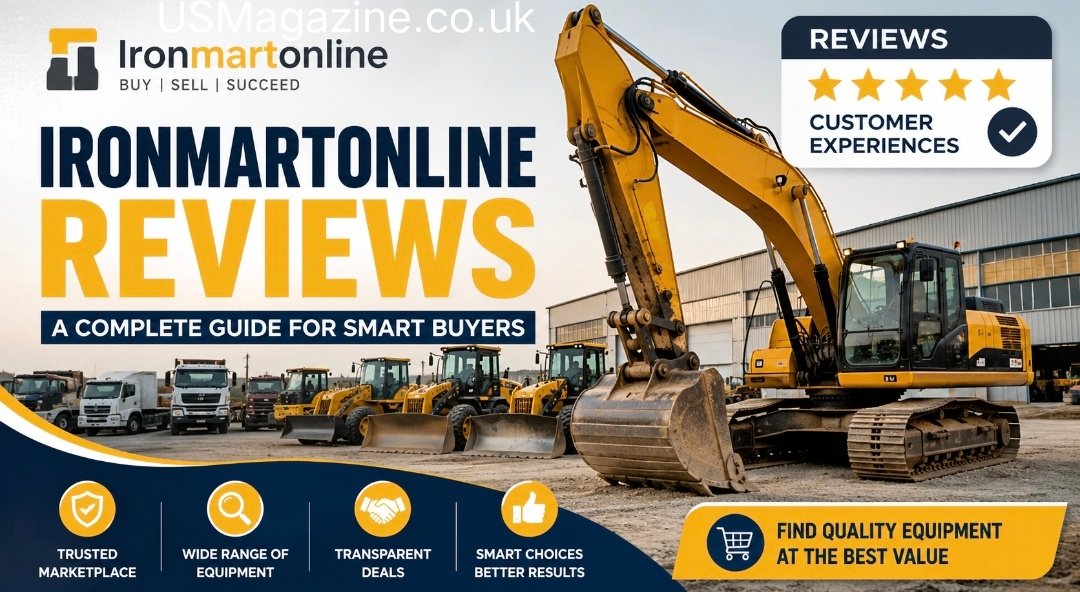
When shopping for heavy equipment online, trust is one of the most important factors influencing a purchase decision. Reading ironmartonline reviews can help buyers understand how the platform works, what customers experience during the buying process, and whether the marketplace is worth considering. Whether you are a contractor, construction company owner, farmer, or equipment dealer, learning about a seller before making a large investment is always a wise step. This guide explores the platform in depth, highlighting its features, customer experiences, advantages, and practical tips to help you make informed decisions before purchasing used heavy machinery.
Understanding IronmartOnline and Its Marketplace
IronmartOnline is an online marketplace specializing in used heavy equipment, commercial trucks, trailers, agricultural machinery, and industrial vehicles. Rather than functioning as a traditional dealership with inventory ownership, it primarily connects buyers and sellers by listing equipment from different owners across multiple industries. This approach provides customers with access to a diverse inventory that may not be available through local dealerships. Buyers can browse excavators, bulldozers, dump trucks, cranes, forklifts, loaders, tractors, paving equipment, and many other categories from a single platform.
READ MORE: Geometry Learn V3: Master Shapes, Logic, and Spatial Skills Today
The marketplace appeals to businesses looking for cost-effective equipment solutions without purchasing brand-new machinery. Used equipment often delivers excellent value when maintained properly, making online marketplaces increasingly popular among construction professionals and fleet managers. Sellers also benefit because they gain exposure to a nationwide audience instead of relying solely on local advertising. The platform’s detailed equipment listings, photos, and descriptions aim to simplify the buying process while helping users compare available options across different price ranges.
What Ironmartonline Reviews Reveal About Customer Experiences
One of the first things prospective buyers search for is ironmartonline reviews, hoping to understand real customer experiences before spending thousands of dollars. Reviews generally focus on listing quality, communication with representatives, equipment descriptions, responsiveness, and transaction support. Many customers appreciate having access to detailed listings that include multiple photographs, specifications, model information, engine details, operating hours, and condition reports. Comprehensive listings reduce uncertainty and help buyers evaluate equipment before arranging inspections.
At the same time, reviews remind buyers that purchasing used heavy equipment requires careful due diligence regardless of the marketplace involved. Customer feedback often emphasizes the importance of requesting additional photos, maintenance records, inspection reports, and clarification regarding equipment history before finalizing a purchase. Positive experiences frequently mention knowledgeable sales staff and efficient communication, while less favorable experiences often stem from expectations regarding used equipment condition rather than marketplace operations. Reading a variety of customer opinions provides balanced insights and encourages buyers to approach every transaction with realistic expectations.
Equipment Categories Available for Different Industries
One reason the marketplace attracts attention is its broad equipment selection serving multiple industries. Construction professionals can find excavators, skid steers, backhoes, graders, compactors, loaders, and bulldozers suitable for residential, commercial, and infrastructure projects. Transportation businesses have access to semi-trucks, dump trucks, box trucks, trailers, and specialized commercial vehicles designed for hauling materials or equipment. Agricultural users may discover tractors, combines, harvesters, sprayers, and other farm machinery suited to seasonal operations.
Industrial businesses also benefit from listings that include generators, compressors, cranes, forklifts, paving equipment, drilling rigs, and specialized machinery used in manufacturing and energy sectors. Such variety allows buyers to compare brands, production years, engine configurations, and operating conditions without visiting multiple dealerships. Since inventory changes regularly, users can monitor new listings and evaluate different options before making significant investments. This extensive catalog remains one of the marketplace’s strongest advantages for businesses seeking affordable equipment solutions.
Factors That Influence Buying Decisions Online
Buying heavy machinery online differs significantly from purchasing consumer products. Equipment values are much higher, transportation costs can be substantial, and machine condition directly impacts productivity and profitability. Smart buyers carefully examine photographs, maintenance documentation, ownership history, repair records, and inspection reports whenever possible. Understanding how equipment has been used often reveals valuable information about future maintenance requirements and expected service life.
Another essential factor involves verifying seller credibility and asking detailed questions before committing to a purchase. Buyers should confirm engine performance, hydraulic system functionality, transmission condition, tire or track wear, and any previous repairs or rebuilds. Independent inspections performed by qualified mechanics can provide additional confidence, especially for high-value purchases. Financing options, shipping logistics, warranty availability, and payment security should also be evaluated carefully. Taking these precautions minimizes risks while increasing the likelihood of acquiring reliable equipment that meets operational requirements.
Benefits and Limitations Buyers Should Consider
Every online marketplace offers advantages alongside certain limitations, and understanding both helps buyers make informed decisions. One significant benefit is access to a nationwide inventory that exceeds what local dealerships typically provide. Buyers can compare multiple brands, specifications, prices, and machine conditions within minutes, potentially finding equipment better suited to their operational needs and budget. Increased competition among sellers may also create opportunities for favorable pricing compared to purchasing locally.
However, distance introduces challenges that require thoughtful planning. Buyers cannot always inspect machinery personally before purchase, making documentation and third-party inspections increasingly valuable. Transportation expenses may vary depending on equipment size and delivery location, influencing the total acquisition cost. Used equipment naturally shows varying degrees of wear, so expectations should remain realistic even when listings appear comprehensive. Understanding these strengths and limitations encourages more confident purchasing decisions while reducing the possibility of unexpected surprises after delivery.
Tips for Evaluating Listings Before Purchasing Equipment
Carefully evaluating listings remains one of the most important steps when purchasing used machinery through an online marketplace. High-quality listings generally include multiple clear photographs taken from different angles, showing the exterior, interior, engine compartment, undercarriage, tires or tracks, and working components. Detailed specifications should identify manufacturer, model, year, operating hours, engine type, attachments, dimensions, and maintenance information whenever available. Missing details are not necessarily warning signs, but they should prompt additional questions before proceeding.
Experienced buyers also compare similar equipment across several listings to determine whether asking prices align with prevailing market conditions. Reviewing comparable machines helps identify unusually low prices that may require additional verification or unusually high prices that offer limited value. Whenever possible, arrange an independent inspection before completing payment, particularly for expensive machinery. Request videos demonstrating equipment operation, ask about previous ownership, confirm title documentation, and understand transportation responsibilities. A disciplined evaluation process significantly improves the chances of purchasing dependable equipment while protecting your investment over the long term.
Ironmartonline Reviews and Long-Term Buyer Confidence
Reading ironmartonline reviews over an extended period rather than relying on a handful of comments provides a more accurate understanding of customer satisfaction. Every online marketplace receives both positive and negative feedback because transactions involve different sellers, equipment conditions, buyer expectations, and logistical circumstances. Looking for recurring themes rather than isolated complaints helps identify patterns that truly reflect service quality and marketplace reliability.
Long-term buyer confidence often depends on preparation rather than luck. Customers who research equipment thoroughly, communicate openly with sellers, verify documentation, and arrange professional inspections generally report smoother purchasing experiences. Businesses investing in heavy machinery understand that proper due diligence protects operational efficiency and financial resources. Reviews therefore serve as one component of a broader research process that also includes equipment inspections, price comparisons, financing evaluations, and transportation planning. Combining these elements creates a more reliable framework for successful equipment purchases regardless of marketplace selection.
Conclusion
Choosing the right marketplace for used heavy equipment requires careful research, patience, and realistic expectations. Ironmartonline reviews offer valuable insights into customer experiences, marketplace features, communication quality, and overall buying processes. While no online platform can eliminate every risk associated with purchasing used machinery, informed buyers who perform detailed inspections, compare listings, verify documentation, and communicate effectively with sellers significantly improve their chances of success. By combining customer feedback with thorough independent research, businesses and individuals can confidently evaluate equipment opportunities, reduce unnecessary risks, and make smarter investments that support long-term operational growth and productivity. Whether you are purchasing your first excavator, expanding a commercial truck fleet, or replacing aging construction equipment, thoughtful preparation remains the key to achieving the best possible outcome.
FAQs
1. Is IronmartOnline a trusted marketplace for buying used heavy equipment?
IronmartOnline is a well-known marketplace that connects buyers and sellers of used heavy equipment. However, buyers should always verify equipment details, request inspections, and review documentation before making a purchase.
2. What types of equipment can I find on IronmartOnline?
The platform offers a wide range of used equipment, including excavators, bulldozers, loaders, dump trucks, cranes, forklifts, tractors, trailers, and various industrial and agricultural machines.
3. Why are IronmartOnline reviews important before purchasing?
IronmartOnline reviews provide insights into customer experiences, communication quality, listing accuracy, and the overall buying process, helping buyers make more informed decisions.
4. Should I inspect equipment before buying through IronmartOnline?
Yes. If possible, arrange an independent inspection or request detailed photos, maintenance records, and videos to confirm the equipment’s condition before completing the purchase.
5. How can I reduce the risks when buying used heavy equipment online?
Compare multiple listings, verify the seller’s information, review maintenance history, request inspection reports, understand shipping costs, and ensure all necessary documentation is complete before making payment.

The digital workplace continues to evolve as professionals search for smarter ways to improve productivity, creativity, and work-life balance. Platforms and concepts that focus on employee mindset, workflow optimization, and professional growth are becoming increasingly valuable in this environment. Among these emerging names, onlyworkmoods com represents the growing interest in understanding how mood, motivation, and workplace habits influence performance. Businesses and individuals alike are beginning to recognize that success is no longer measured only by hours worked but by the quality of engagement, focus, and emotional energy invested in tasks throughout the day.
The Growing Importance of Workplace Mood in Professional Success
For decades, productivity discussions revolved around schedules, deadlines, and output measurements. While these factors remain important, organizations have gradually realized that emotional well-being significantly influences performance levels. Employees who feel motivated, valued, and mentally balanced tend to deliver better results and contribute more positively to team environments. Workplace mood directly impacts creativity, collaboration, and problem-solving abilities, making it a crucial element of modern business strategies.
READ MORE: Dreamwithjeff Com: Exploring a Modern Hub of Creativity and Digital Inspiration
A positive professional atmosphere encourages individuals to take initiative, communicate openly, and embrace challenges with confidence. On the other hand, stress, disengagement, and burnout can quickly reduce efficiency and morale. Companies investing in employee wellness programs, flexible schedules, and supportive cultures often experience higher retention rates and stronger overall performance. The modern workplace increasingly values emotional intelligence alongside technical expertise, creating environments where people can thrive both personally and professionally.
How Digital Platforms Are Reshaping Employee Experiences
Technology has dramatically changed the relationship between employees and their work environments. Remote work, hybrid offices, cloud collaboration, and digital communication tools have introduced both opportunities and challenges for professionals worldwide. The ability to work from virtually anywhere offers freedom and flexibility, but it also requires individuals to manage distractions, isolation, and changing routines effectively.
Digital ecosystems now focus on creating more personalized work experiences that support productivity while reducing stress. Features such as progress tracking, workflow management, motivational reminders, and collaboration spaces help workers remain organized and engaged. Businesses increasingly adopt solutions that combine efficiency with employee well-being, recognizing that technology should enhance human potential rather than simply increase workloads. This shift is shaping the future of professional environments across industries.
Understanding the Vision Behind Onlyworkmoods com
The concept associated with onlyworkmoods com reflects a broader movement toward mindful productivity and balanced professional performance. Rather than emphasizing constant activity, this approach highlights the importance of aligning work patterns with motivation, focus, and mental energy levels. Such thinking encourages professionals to work smarter by identifying periods of peak concentration and minimizing unnecessary distractions.
Many experts now advocate for productivity systems that respect natural energy cycles rather than enforcing rigid schedules. Professionals often perform analytical tasks more effectively during high-focus periods while reserving routine responsibilities for times of lower cognitive energy. This adaptive approach improves both output quality and job satisfaction. By acknowledging emotional and mental factors, workplace strategies become more sustainable and effective over the long term.
The Connection Between Motivation and Daily Productivity
Motivation serves as the engine behind consistent professional performance. Employees who understand the purpose behind their responsibilities often demonstrate higher levels of commitment and enthusiasm. Intrinsic motivation, driven by personal growth and achievement, tends to produce stronger long-term results than external rewards alone. Organizations increasingly focus on meaningful work experiences to cultivate lasting engagement among their teams.
Daily productivity depends heavily on maintaining momentum through manageable goals and realistic expectations. Breaking larger projects into smaller milestones creates a sense of progress that fuels continued motivation. Celebrating achievements, even minor ones, reinforces positive behavior and encourages persistence during demanding periods. This psychological reinforcement can significantly improve both individual performance and overall organizational culture.
Building Healthier Work Routines for Sustainable Performance
Modern professionals frequently struggle with blurred boundaries between work and personal life. Constant notifications, virtual meetings, and endless task lists can create a cycle of stress that undermines long-term productivity. Establishing healthy routines has therefore become essential for maintaining focus, creativity, and emotional well-being in demanding professional environments.
Effective routines often include structured work blocks, scheduled breaks, physical movement, and periods of uninterrupted concentration. Techniques such as time blocking and priority management help individuals allocate attention more efficiently throughout the day. Regular breaks improve cognitive function and reduce fatigue, while exercise supports mental clarity and emotional resilience. Sustainable productivity depends not on working longer hours but on maintaining consistent energy and focus over time.
Why Workplace Culture Shapes Employee Satisfaction
Organizational culture plays a decisive role in determining employee engagement and retention. A supportive environment encourages collaboration, trust, and innovation, allowing individuals to contribute their best ideas without fear of criticism or failure. Employees who feel respected and appreciated are more likely to remain committed to organizational goals and maintain high performance standards.
Leadership style significantly influences workplace culture and employee experiences. Transparent communication, recognition programs, and opportunities for professional growth foster stronger relationships between teams and management. Companies that prioritize inclusion and psychological safety often benefit from improved morale and reduced turnover rates. Positive workplace cultures become powerful competitive advantages in attracting and retaining talented professionals.
The Future of Smart Productivity and Professional Growth
As technology continues to evolve, the definition of productivity is becoming more sophisticated and human-centered. Artificial intelligence, automation, and intelligent workflow systems are reducing repetitive tasks and allowing professionals to focus on creativity, strategy, and decision-making. These advancements are reshaping expectations around work efficiency and career development.
Future workplaces will likely emphasize adaptability, continuous learning, and emotional intelligence alongside technical expertise. Professionals who develop strong communication skills, resilience, and digital literacy will be better prepared for changing market demands. Organizations that invest in employee development and flexible work models are expected to lead the next generation of innovation and growth across industries worldwide.
How Onlyworkmoods com Reflects Changing Work Trends
The emergence of platforms and ideas connected with onlyworkmoods com highlights a significant transformation in how people view professional success. Productivity is increasingly measured through impact, creativity, and sustainable performance rather than simple activity metrics. This perspective aligns closely with evolving workforce expectations that prioritize purpose, flexibility, and personal well-being alongside financial achievement.
Businesses are responding to these expectations by redesigning workflows, improving employee experiences, and adopting technologies that support balanced productivity. Professionals are also becoming more intentional about managing energy, attention, and motivation throughout the workday. As these trends continue, the integration of emotional awareness into workplace strategies will likely become a defining characteristic of successful organizations and high-performing teams.
Conclusion
The future of work extends far beyond traditional productivity formulas based solely on time and output. Emotional well-being, motivation, workplace culture, and smart technology now play equally important roles in determining professional success. Organizations that recognize these factors are creating environments where employees can perform at their best while maintaining healthier and more sustainable careers.
In this evolving landscape, onlyworkmoods com symbolizes the broader shift toward mindful productivity and balanced work experiences. By focusing on engagement, focus, and emotional energy rather than constant activity, professionals and businesses can build stronger foundations for long-term success. The workplaces that thrive in the coming years will be those that understand productivity is ultimately a human experience shaped by mindset, purpose, and meaningful connection.
FAQs
1. What is Onlyworkmoods com?
Onlyworkmoods com is presented as a platform or concept focused on improving workplace productivity, motivation, employee well-being, and healthier work habits through a balanced approach to professional performance.
2. How can workplace mood affect productivity?
A positive workplace mood can improve focus, creativity, collaboration, and problem-solving, while stress and burnout can reduce efficiency and overall job satisfaction.
3. Why are healthy work routines important?
Healthy routines, such as time blocking, regular breaks, and prioritizing tasks, help professionals maintain consistent energy, reduce stress, and achieve sustainable productivity.
4. How does technology support modern workplace productivity?
Technology supports productivity through collaboration tools, workflow management systems, automation, progress tracking, and flexible remote work solutions that help employees stay organized and efficient.
5. Why is workplace culture important for employee success?
A supportive workplace culture encourages trust, communication, recognition, and professional growth, leading to higher employee engagement, better performance, and improved retention.