
Sports
buffalo bills vs denver broncos match player stats

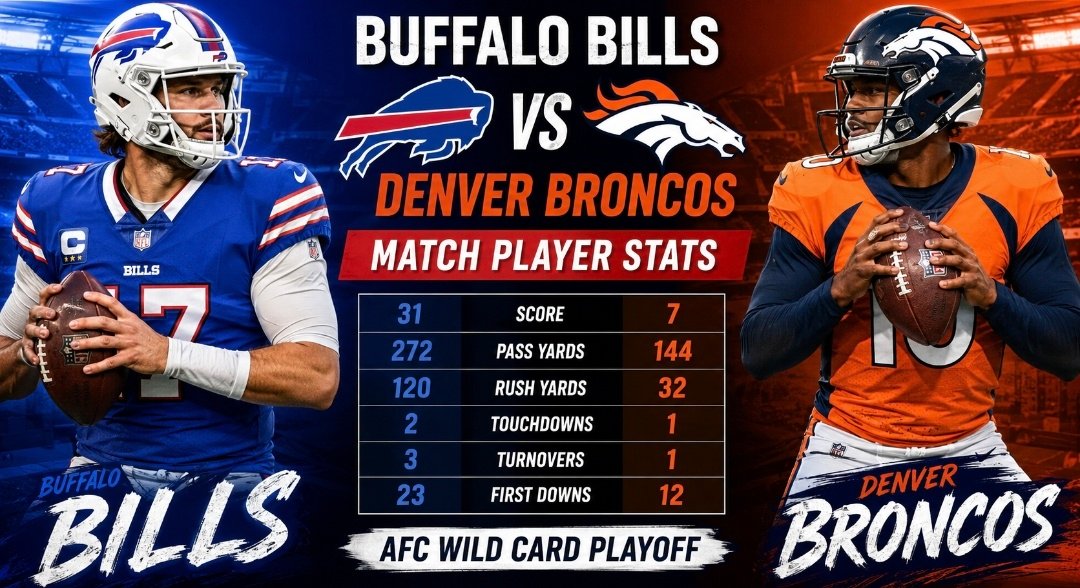
The buffalo bills vs denver broncos match player stats from the AFC Wild Card playoff game on January 12, 2025, tell the story of a contest that was competitive only in its opening minutes before Buffalo took complete control. Played at Highmark Stadium in Orchard Park, New York, the Bills recovered from an early deficit to defeat the Broncos 31-7, advancing to the AFC Divisional Round. While Denver entered the postseason with renewed optimism behind rookie quarterback Bo Nix, Buffalo’s experience, balanced offense, and disciplined defense proved too much to overcome. The individual performances from both teams explain exactly how the game shifted and why the Bills looked every bit like a championship contender.
Game Overview and Momentum Shift
The opening drive suggested Denver might be ready for an upset. Rookie quarterback Bo Nix connected with former Oregon teammate Troy Franklin for a spectacular 43-yard touchdown, giving the Broncos an early 7-0 lead. Buffalo answered methodically with a Tyler Bass field goal before taking command through a physical rushing attack and efficient quarterback play.
READ MORE: chicago bears vs philadelphia eagles match player stats
By halftime, the Bills held a narrow 10-7 advantage, but the second half belonged entirely to Buffalo. Josh Allen delivered two touchdown passes, the offensive line dominated the trenches, and Buffalo’s defense shut down every meaningful Broncos drive. The final score reflected Buffalo’s superiority on both sides of the ball, even though the opening quarter hinted at a much closer contest.
Josh Allen Once Again Led Buffalo’s Offense
No discussion of the buffalo bills vs denver broncos match player stats is complete without highlighting Josh Allen’s outstanding performance. The Bills quarterback completed 20 of 26 passes for 272 yards and two touchdowns while adding 46 rushing yards. His decision-making was nearly flawless, as he consistently found open receivers and extended drives with his mobility.
Allen’s touchdown throws to Ty Johnson and Curtis Samuel demonstrated both accuracy and patience. Rather than forcing difficult throws, he spread the football across multiple receivers and took advantage of Denver’s defensive adjustments. His performance perfectly reflected Buffalo’s offensive philosophy of balancing explosive passing with an effective running game.
James Cook Powered the Running Attack
Running back James Cook produced one of his strongest postseason performances by rushing for 120 yards on 23 carries while scoring a touchdown. His five-yard rushing score early in the second quarter gave Buffalo its first lead and changed the emotional direction of the game.
Cook consistently found running lanes behind an offensive line that controlled the line of scrimmage. His ability to gain positive yardage on early downs allowed Buffalo to maintain manageable third-down situations and control the game’s tempo. By the fourth quarter, Denver’s defense appeared exhausted from repeatedly trying to contain Buffalo’s rushing attack.
Buffalo’s Supporting Cast Delivered in Key Moments
One reason the Bills remain difficult to defend is the variety of offensive contributors. Ty Johnson caught a touchdown on a fourth-down play that survived replay review, while Curtis Samuel sealed the victory with a spectacular 55-yard touchdown reception early in the fourth quarter.
Keon Coleman also contributed with a successful two-point conversion catch, demonstrating Buffalo’s confidence in its young playmakers. Rather than relying on one superstar receiver, offensive coordinator Joe Brady spread targets across the roster, making it difficult for Denver’s secondary to focus on any single player. This offensive balance stands out throughout the buffalo bills vs denver broncos match player stats.
Bo Nix Showed Promise Despite the Loss
Although Denver suffered a disappointing defeat, rookie quarterback Bo Nix displayed flashes of why the Broncos believe he can become their franchise leader. He completed 13 of 22 passes for 144 yards and one touchdown without committing costly mistakes during the game’s early stages.
His opening-drive touchdown pass showcased excellent timing and chemistry with Troy Franklin, developed during their college careers at Oregon. However, Buffalo’s defense gradually adjusted its coverage, limiting explosive plays and forcing Denver into uncomfortable third-down situations. As pressure increased, Nix had fewer opportunities to attack downfield effectively.
Denver’s Offensive Production Was Limited
Outside of the impressive opening touchdown drive, Denver struggled to establish offensive consistency. The rushing attack generated little momentum against Buffalo’s disciplined defensive front, placing greater pressure on the rookie quarterback.
Wide receiver Troy Franklin finished with the game’s biggest highlight for Denver through his 43-yard touchdown reception, but sustained offensive success never followed. Buffalo consistently won first down, disrupted the Broncos’ running game, and forced predictable passing situations that favored the Bills’ pass rush. These factors explain why the Broncos failed to score another point after the opening possession.
Buffalo’s Defense Controlled the Second Half
The defensive numbers within the buffalo bills vs denver broncos match player stats reveal just how dominant Buffalo became after halftime. Sean McDermott’s defense completely neutralized Denver’s offense through disciplined tackling, effective pass coverage, and consistent pressure without excessive blitzing.
Buffalo also forced three turnovers during the contest, creating valuable field position and preventing any realistic Broncos comeback. The defensive line successfully limited Denver’s rushing production while linebackers closed passing windows across the middle of the field. This complete defensive effort complemented Buffalo’s efficient offense and turned a close contest into a comfortable victory.
Team Statistics Explain the Final Score
Beyond individual performances, the overall team statistics illustrate Buffalo’s dominance. The Bills rushed for 210 yards while accumulating more than 470 total offensive yards. Their offensive balance kept Denver’s defense guessing throughout the afternoon.
Buffalo also controlled possession, converted key fourth-down opportunities, and executed efficiently inside the red zone. Denver, meanwhile, struggled to maintain drives after its opening possession and rarely threatened Buffalo’s defense. The combination of superior rushing production, better field position, and fewer offensive mistakes ultimately produced the decisive 31-7 result.
Historical Importance of the Matchup
The Bills and Broncos share one of the oldest rivalries dating back to the original American Football League. Their playoff meeting in January 2025 represented only the second postseason game between the franchises since Buffalo defeated Denver 10-7 in the 1991 AFC Championship Game.
With this victory, Buffalo improved its postseason record against Denver to 2-0 while strengthening its position as one of the AFC’s elite teams. The win also sent the Bills into another Divisional Round appearance, continuing one of the most successful stretches in franchise history under head coach Sean McDermott and quarterback Josh Allen.
Why These Player Statistics Still Matter
Even months after the game, analysts continue referencing the buffalo bills vs denver broncos match player stats because they highlight several important trends. Buffalo demonstrated its ability to win through offensive balance rather than relying exclusively on Josh Allen’s arm. James Cook’s emergence as a postseason playmaker added another dimension to the offense.
For Denver, the game marked valuable playoff experience for Bo Nix, whose rookie season concluded with lessons against one of the NFL’s strongest defensive units. Although the Broncos fell short, their return to postseason football after several difficult seasons represented meaningful organizational progress and established a foundation for future success.
Conclusion
The buffalo bills vs denver broncos match player stats provide a complete picture of Buffalo’s convincing 31-7 Wild Card victory. Josh Allen’s efficient passing, James Cook’s dominant rushing performance, and Buffalo’s disciplined defensive effort combined to overwhelm Denver after a competitive opening quarter. While Bo Nix showed encouraging potential for the Broncos, the Bills’ experience, depth, and execution ultimately proved decisive. The game reinforced Buffalo’s status as a legitimate Super Bowl contender while offering Denver optimism that its young core could become a playoff force in the seasons ahead.
FAQs
What was the final score between the Buffalo Bills and Denver Broncos?
The Buffalo Bills defeated the Denver Broncos 31-7 in the AFC Wild Card playoff game played on January 12, 2025, earning a place in the Divisional Round.
Who had the best offensive performance in the game?
Josh Allen led Buffalo with 272 passing yards, two touchdown passes, and 46 rushing yards, while James Cook added 120 rushing yards and one touchdown to deliver an outstanding all-around offensive performance.
How did Bo Nix perform for the Broncos?
Bo Nix completed 13 of 22 passes for 144 yards and one touchdown. He started strongly with a long scoring pass but struggled after Buffalo adjusted defensively during the remainder of the game.
Why were the Buffalo Bills able to dominate the second half?
Buffalo controlled the line of scrimmage, rushed for 210 team yards, forced three turnovers, and executed efficiently on offense while limiting Denver’s opportunities to sustain meaningful drives.
Why are the buffalo bills vs denver broncos match player stats important?
These statistics highlight Buffalo’s balanced offensive approach, showcase Josh Allen’s leadership, document James Cook’s breakout playoff performance, and provide valuable insight into Bo Nix’s first postseason appearance against an elite NFL defense.

Newcastle United fans woke up to a shock on Thursday. Eddie Howe, the man who rebuilt the club over the last five years, is leaving. And the name lined up to replace him is one many casual fans had never heard of before this week: Matthias Jaissle.
The 38-year-old German is currently the head coach of Al-Ahli in the Saudi Pro League. Reports say Newcastle and Jaissle’s camp have already reached an agreement in principle, and talks are moving quickly toward a full announcement. For a club that just spent five years building stability under Howe, this is a bold and surprising change of direction.
Who Is Matthias Jaissle?
Jaissle was born in Nürtingen, Germany, in April 1988. He was never a big-name player. He spent his playing days as a centre-back, mostly in Germany’s lower divisions, including a spell with Hoffenheim, before an injury cut his career short in his mid-twenties.
His coaching journey is what makes him interesting. He started as an assistant at Danish club Brøndby, then joined the Red Bull football network, first coaching youth teams before taking charge of FC Liefering, Salzburg’s feeder club. In 2021, at just 33 years old, he was given the top job at Red Bull Salzburg.
That decision paid off fast. Jaissle led Salzburg to back-to-back Austrian league titles in 2021-22 and 2022-23, along with an Austrian Cup. He also guided the club into the Champions League knockout stage for the first time in its history, a landmark achievement for Austrian football. Along the way, he developed young stars like Karim Adeyemi and Benjamin Sesko, players who later moved on to major European clubs.
Why Newcastle Are Turning to Him Now
In 2023, Jaissle left Europe to take charge of Al-Ahli in Saudi Arabia, a club owned by the Public Investment Fund, or PIF. That is the same fund that owns Newcastle United. This shared ownership link is a big reason his move to Tyneside makes sense on paper. He already understands how the PIF group works and what it expects from its coaches.
At Al-Ahli, Jaissle has managed experienced names like former England striker Ivan Toney and ex-Chelsea goalkeeper Edouard Mendy. He has also won continental honours in Asia, adding to a reputation as one of the more promising young coaches in world football.
Howe’s exit is reported to be amicable. Sources close to the club say he simply wants a break from the game after nearly five demanding years. Newcastle’s board, though caught off guard by the timing, are said to have been quietly prepared for this scenario and moved fast to identify a successor.
Jaissle now faces the challenge of replacing a manager who took Newcastle back into the Champions League and rebuilt the club’s identity. He is younger than many players in the current Newcastle dressing room, something that worked in his favour at Salzburg, where his relatable style and focus on team spirit won players over. Whether that same approach can work in the pressure and pace of the Premier League is the question every Newcastle fan will now be asking.
Summary
Eddie Howe has left Newcastle United after five years in charge, and Al-Ahli boss Matthias Jaissle is set to take over as his replacement. The 38-year-old German built his reputation at Red Bull Salzburg, winning two Austrian titles and reaching the Champions League knockout stage for the first time in the club’s history. Since 2023, he has managed Al-Ahli in Saudi Arabia, a club under the same ownership as Newcastle, which is seen as a key factor behind the move. An announcement is expected soon as talks progress toward completion.
READ MORE: https://usmagazine.co.uk/
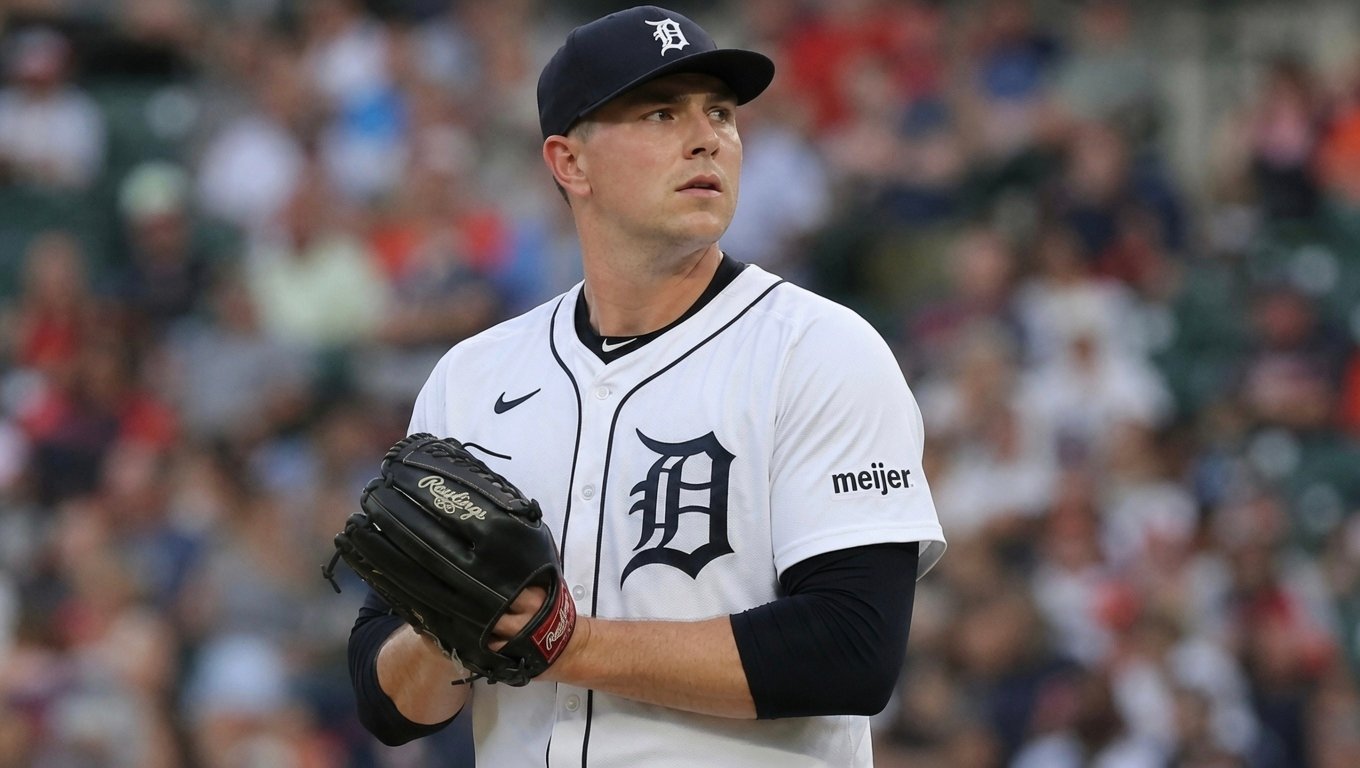
Tarik Skubal is not just a good pitcher. He is one of the best pitchers in baseball right now, and everyone in the sport is talking about him. The Detroit Tigers left-hander has already won two straight American League Cy Young Awards, and this season he is proving that his last two years were no accident. As the 2026 trade deadline approaches, his name is at the center of almost every big story in Major League Baseball.
From Draft Pick to Two-Time Cy Young Winner
Skubal was born on November 20, 1996, in Hayward, California. He was picked by the Tigers in the ninth round of the 2018 MLB Draft, which is not a spot where superstars usually come from. But he worked his way up and made his MLB debut in August 2020.
Since then, his rise has been remarkable. In 2024, Tarik Skubal did something no American League pitcher had done in over a decade. He won the pitching Triple Crown, meaning he led the league in wins, strikeouts, and ERA in the same season.He also took home the Cy Young Award that year, and he was named an All-Star. He repeated as Cy Young winner again in 2025, along with another All-Star selection.
His numbers keep getting better every year. He finished a recent season with career-best marks across almost every major stat, including a very low 2.21 ERA, 241 strikeouts, and a tiny 0.89 WHIP, which shows just how hard he is to hit against right now.
Trade Rumors Heating Up Before the Deadline
This year brings a new kind of drama. Skubal is in the final season of his contract with the Tigers, and he can become a free agent after 2026. Because of this, his name has been linked to several playoff-hungry teams, including the Los Angeles Dodgers, the New York Yankees, and the Atlanta Braves. Reports suggest he could become the richest free-agent pitcher in baseball history, with some experts predicting a deal worth as much as 400 million dollars once he hits the open market.
The Tigers front office has tried to calm fans down, saying they are not rushing to trade their ace. Still, with the deadline approaching, speculation continues to grow about whether Detroit will trade him for a huge prospect package or try to lock him up with a contract extension instead.
Representing Team USA at the World Baseball Classic
Adding another exciting chapter to his year, Skubal committed to pitching for Team USA at the 2026 World Baseball Classic, joining fellow Cy Young winner Paul Skenes to form one of the strongest starting rotations the country has ever assembled. Some worried this could be risky for a pitcher in his contract year, but most in the sport believe the workload will not affect his regular season, based on how similar situations went in the past.
Quick Summary
- Tarik Skubal is a Detroit Tigers pitcher and two-time AL Cy Young Award winner (2024, 2025).
- In 2024, he became the first AL pitcher since 2011 to win the pitching Triple Crown and the Cy Young Award in the same year.
- He is in the final year of his contract and could become the top free agent in baseball after the 2026 season.
- Multiple teams, including the Dodgers, Yankees, and Braves, are reportedly interested in trading for him.
- He is set to represent Team USA at the 2026 World Baseball Classic alongside Paul Skenes.
READ MORE: https://usmagazine.co.uk/
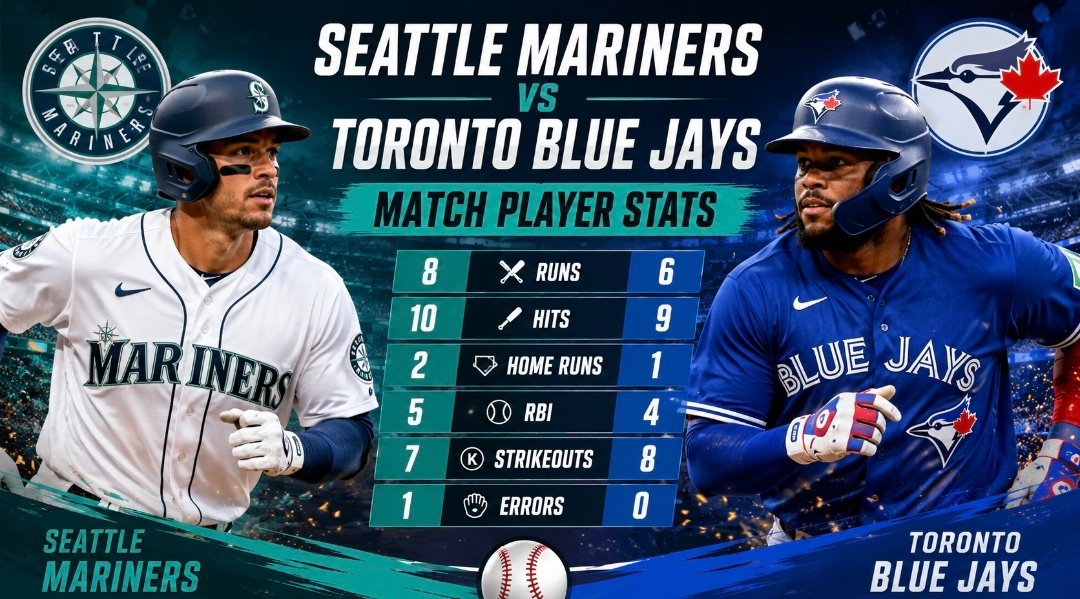
Few American League matchups generate as much excitement as the seattle mariners vs toronto blue jays match player stats battle. These two clubs have built an increasingly competitive rivalry through dramatic regular-season contests and unforgettable postseason moments. Every meeting showcases elite pitching, explosive hitting, athletic defense, and tactical decision-making. Fans closely examine player performances because individual statistics often reveal the story behind the final score, highlighting which stars delivered under pressure and which moments ultimately shaped the outcome.
The Growing Rivalry Between Seattle and Toronto
The seattle mariners vs toronto blue jays match player stats rivalry has gained significant attention over the past several MLB seasons. While both franchises have existed for decades, the intensity increased after memorable postseason clashes and highly competitive regular-season series. Seattle has developed one of baseball’s strongest young cores, while Toronto continues to feature several established All-Star talents capable of changing any game with one swing.
READ MORE: carolina panthers vs jacksonville jaguars match player stats
The rivalry represents more than geography. Both organizations have invested heavily in player development, analytics, and roster construction, making nearly every meeting an important measuring stick for postseason aspirations. Their games frequently feature playoff-like intensity, attracting national television audiences and generating widespread discussion among baseball analysts.
Offensive Standouts Who Shape Every Matchup
Whenever analysts review seattle mariners vs toronto blue jays match player stats, offensive production becomes the primary focus. Toronto’s lineup has consistently relied on stars such as Vladimir Guerrero Jr., Bo Bichette, and George Springer, whose ability to reach base and produce extra-base hits makes every inning dangerous. Guerrero’s combination of power and plate discipline has made him one of baseball’s premier first basemen.
Seattle counters with an impressive collection of hitters including Cal Raleigh, Julio Rodríguez, Randy Arozarena, and J.P. Crawford. Raleigh has emerged as one of Major League Baseball’s most productive catchers, combining elite home-run power with excellent defensive skills behind the plate. Rodríguez remains one of baseball’s brightest young stars thanks to his speed, athleticism, and ability to impact every phase of the game.
Pitching Matchups Often Decide the Outcome
Pitching usually determines the final result in any seattle mariners breakdown. Seattle has consistently developed one of baseball’s strongest starting rotations, featuring pitchers capable of generating high strikeout totals while limiting walks and home runs. Their ability to work deep into games frequently reduces pressure on the bullpen.
Toronto’s rotation has featured experienced veterans alongside emerging talent. Strong command, pitch sequencing, and limiting hard contact have become essential strategies against Seattle’s balanced lineup. Bullpen performance has also proven decisive, especially during close games where one mistake can completely alter the outcome. Modern relief specialists regularly throw high-velocity fastballs exceeding 95 mph while mixing devastating breaking pitches to secure critical outs.
Defensive Excellence Beyond the Box Score
Although offensive numbers often dominate headlines, the seattle mariners vs toronto blue jays match player stats conversation extends well beyond batting averages and home runs. Defensive efficiency frequently determines which club wins closely contested games. Outstanding range in the infield, accurate outfield throws, and elite catching all prevent runs that traditional statistics sometimes fail to capture.
Seattle has built a reputation for exceptional defensive positioning supported by advanced analytical preparation. Toronto likewise emphasizes defensive versatility, allowing multiple players to excel at several positions throughout the season. Double plays, diving catches, and perfectly executed relay throws often become the hidden moments that ultimately decide important contests.
Advanced Statistics Reveal the Complete Picture
Modern baseball analysis has transformed how experts evaluate seattle mariners vs toronto blue jays match player stats. Traditional statistics such as batting average, RBIs, wins, and ERA remain valuable, but advanced metrics now provide deeper insight into overall player performance.
Measures like OPS, WHIP, WAR, exit velocity, launch angle, hard-hit percentage, and expected batting average help explain why certain players consistently outperform others. Teams rely extensively on these analytical tools to optimize batting orders, defensive positioning, bullpen usage, and matchup decisions. These metrics have become essential components of front-office planning throughout Major League Baseball.
Historic Meetings That Changed the Rivalry
Several unforgettable games have strengthened the reputation of the seattle mariners vs toronto blue jays match player stats rivalry. One of the most memorable chapters came during the 2022 American League Wild Card Series when Seattle completed a dramatic comeback after trailing by eight runs, eliminating Toronto in one of the greatest postseason rallies in franchise history.
Subsequent regular-season meetings have continued producing thrilling finishes featuring late-inning home runs, dominant pitching performances, and outstanding defensive plays. Each new series adds another layer to an increasingly compelling baseball rivalry that has become must-watch entertainment for fans across North America.
Individual Performances That Draw the Most Attention
Every series generates new headlines through remarkable individual performances reflected in the seattle mariners vs toronto blue jays match player stats. Multi-hit games, multi-home-run performances, double-digit strikeout outings, and game-saving defensive plays frequently dominate postgame analysis.
Cal Raleigh’s power hitting has made him one of Seattle’s biggest offensive threats, while Julio Rodríguez consistently contributes through both his bat and athletic baserunning. Toronto often depends on Vladimir Guerrero Jr.’s run production and Bo Bichette’s contact hitting to maintain offensive momentum. Starting pitchers who consistently throw quality starts frequently become the difference between victory and defeat.
Team Development and Organizational Success
Both organizations deserve recognition for their commitment to sustainable success. The seattle mariners vs toronto blue jays match player stats reflect years of careful scouting, international player development, and successful draft strategies. Seattle has emphasized cultivating homegrown pitching talent, while Toronto has balanced internally developed prospects with strategic veteran acquisitions.
Both franchises invest significantly in sports science, injury prevention, video analysis, biomechanical evaluation, and player development technology. These organizational improvements have strengthened competitiveness throughout the American League and contributed to consistently exciting matchups between the clubs.
What Fans Should Watch in Future Meetings
Future editions of seattle mariners vs toronto blue jays match player stats promise continued excitement because both teams possess young talent capable of improving even further. Every series offers opportunities for emerging prospects to establish themselves while established stars continue chasing career milestones.
Pitching depth, bullpen management, defensive consistency, and timely hitting will likely remain the deciding factors. As both franchises continue pursuing postseason success, each head-to-head matchup carries additional significance in the American League standings and could influence playoff positioning later in the season.
Conclusion
The seattle mariners vs toronto blue jays match player stats provide much more than a collection of numbers. They tell the story of two ambitious franchises competing with elite talent, intelligent coaching, and championship aspirations. Every matchup showcases outstanding pitching, powerful offenses, exceptional defense, and strategic baseball at its highest level. As both clubs continue developing talented young players while maintaining experienced veterans, this rivalry is positioned to remain one of Major League Baseball’s most entertaining and meaningful competitions for years to come.
FAQs
What makes the Seattle Mariners and Toronto Blue Jays rivalry so exciting?
The rivalry combines talented young players, experienced veterans, memorable postseason history, and closely contested regular-season games. Both teams regularly compete for playoff positions, making every matchup highly competitive and meaningful.
Which players usually headline seattle mariners vs toronto blue jays match player stats?
Players such as Julio Rodríguez, Cal Raleigh, Vladimir Guerrero Jr., Bo Bichette, Randy Arozarena, and George Springer frequently attract attention because they consistently contribute offensively and often influence the game’s outcome.
Why are pitching statistics so important in these matchups?
Pitching largely determines scoring opportunities, controls offensive momentum, and influences bullpen usage. Strikeouts, earned run average, WHIP, and innings pitched provide valuable insight into which team controlled the contest more effectively.
How do advanced baseball statistics improve player analysis?
Advanced metrics evaluate player performance beyond traditional statistics by measuring overall offensive production, defensive value, pitching effectiveness, and expected outcomes, allowing analysts to better understand each player’s true contribution.
Where can fans find official seattle mariners vs toronto blue jays match player stats?
Official statistics are available through Major League Baseball’s game summaries, team websites, and trusted sports data providers that publish complete box scores, advanced metrics, pitching reports, and play-by-play analysis after every game.