
Health
How to Communicate Effectively with Someone Living with Dementia?


Quick Answer Box: Use simple language, a slow speaking rate and emphasise the message with the tone of voice more than the words. Talk about one thing at a time, avoid open-ended questions and correct small errors if there are any, but if not. As the dementia progresses, body language and reassurance begin to take over a great deal more than words.
Dementia does not impair people’s ability to communicate. It’s just about changing the rules. Many of the problems families have with communication with dementia patients are: trying to have a conversation the way they always do, instead of where it is on that day.
This blog will be helpful for the friends and family of people who are living with dementia, so they communicate properly and get the best outcome.
Why Communication Changes When Someone Is Living with Dementia?
Short-term memory is often the first to decline, causing the same question to be asked repeatedly, sometimes several times within just ten minutes. Surprisingly, past emotional memories can last a lot longer. Someone could overeat for breakfast but give a detailed account of their wedding day. Someone could skip breakfast altogether and talk about their wedding day in detail. You must know all the guidelines before communicating with someone with dementia.
How Memory Loss Plays Out
Short-term memory tends to go first so that the same question can come up three times in ten minutes. Odd as it sounds, older emotional memories often stick around much longer. Someone might forget breakfast entirely but describe their wedding day in detail.
Before You Even Start Talking
Getting the Environment Right
- Turn off the TV or radio;o, background noise fights for attention
- Approach from the front, never from behind
- Sit at eye level instead of standing over them
- Clear away clutter or distractions nearby
- Pick a time of day when they’re usually more with it
A quiet, familiar room beats a busy kitchen every time.
Know What You Want to Say
If there’s something important to get across, like an appointment or a change to the day, work out a short way to say it beforehand rather than winging it.
What To Know During the Conversation With Dementia Patients
Short sentences, one question at a time, and enough pause afterwards for them to actually respond. Tone carries more than vocabulary here.
Ask Better Questions
“What do you want to do today?” is a hard question to answer for anyone whose thinking has slowed down. “Tea or coffee?” is easier.
When They Lose the Thread
If they trail off mid-sentence, resist the urge to jump in and correct. Ease the topic back gently, or move somewhere else entirely, without making a thing of it.
Body Language Does a Lot of the Talking
As dementia progresses, nonverbal communication starts carrying more weight than speech. Eye contact, a relaxed face, an open posture- these all say “you’re safe” before a word gets spoken. A hand on the arm can help too, as long as they’re comfortable being touched.
Watch, Don’t Just Listen
Fidgeting, pacing, a voice getting louder- these usually show up before the words do. Catching it early tends to stop a conversation from falling apart.
Actually Listening
Getting every detail right matters far less than it feels like it should. If someone mixes up a memory, or talks about a relative who’s passed away as though they’re still around, correcting them head-on rarely helps.
This is where validation therapy comes in: responding to the feeling behind the words instead of the accuracy of them. If someone’s asking for a parent who died years back, “tell me about them” usually goes further than explaining they’re gone.
What Not to Say?
- “Don’t you remember?”
- “I already told you that”
- “That’s not what happened”
- Long, stacked-up questions
- Correcting small errors that don’t matter for safety
None of this comes from unkindness; it’s just old habits. Once you notice them, they’re easy enough to drop.
Helping Someone Feel Reassured
Answering the same question the same calm way, for the fifth time if needed, works better than pointing out it’s been asked before. Reducing anxiety in dementia usually comes down to consistency rather than anything clever: same tone, same simple answer, same patience.
Keep It Person Centred
A retired teacher may be called on to give their opinion about something. If you’re more of a quiet person, you may like small-scale conversations. Dementia care is best provided if it’s tailored to the individual.
When It Doesn’t Go to Plan?
Even after you’re ready, there will be some conversations that still go off track. It is often better to stop, talk things down and give the person space when they are distressed, than to keep going. Returning to it later, when it’s calmer and more settled, is more likely to be a success than pushing through apparent ruckus.
Getting the Right Support
What works today might need adjusting again in six months; that’s just how dementia goes. Family carers manage an enormous amount just by staying patient day to day. Still, there are moments when extra support genuinely helps, especially once confusion or distress becomes harder to handle alone. Staff who work with dementia across many residents start to notice patterns that aren’t always obvious from inside a family.
Our Dementia Care in Sutton Coldfield team at Marian House builds daily routines around exactly this kind of person-centred communication. If things are getting harder to manage at home, it’s worth a conversation with a GP, memory service, or a local care home about what support, including respite care, might help.
FAQs
Why does someone with dementia repeat the same question?
It’s easier to forget the answer which they’ve just been given, and it’s more likely to be in short-term memory than long-term memory. It’s not on purpose; it’s not as if they were not listening. Simply putting down each (not pointing out that it is repeating) is usually of the greatest help.
Should you correct someone with dementia if they say something wrong?
Generally not, unless it’s a safety issue. Correcting small mistakes, like the wrong day or a mixed-up detail, tends to cause upset without any real upside. Responding to the feeling behind what they’ve said, known as validation therapy, usually works better than pointing out the facts.
How do you talk to someone with dementia who no longer recognises you?
Be forthright rather than testing them with “do you know who I am? When they don’t say it, a warm tone and relaxed body language usually still exude it. It doesn’t help matters if they feel hurt by the reaction, so it’s more important to be calm than to be recognised in the moment.
What is validation therapy in dementia care?
It’s an approach that involves recognising another’s emotion and their perception of reality, not the reality itself. If a person thinks that their deceased relative may still be alive, the answer is based on emotion, rather than on time. It is not a replacement for medical assistance, but it is very helpful on a day to day basis.
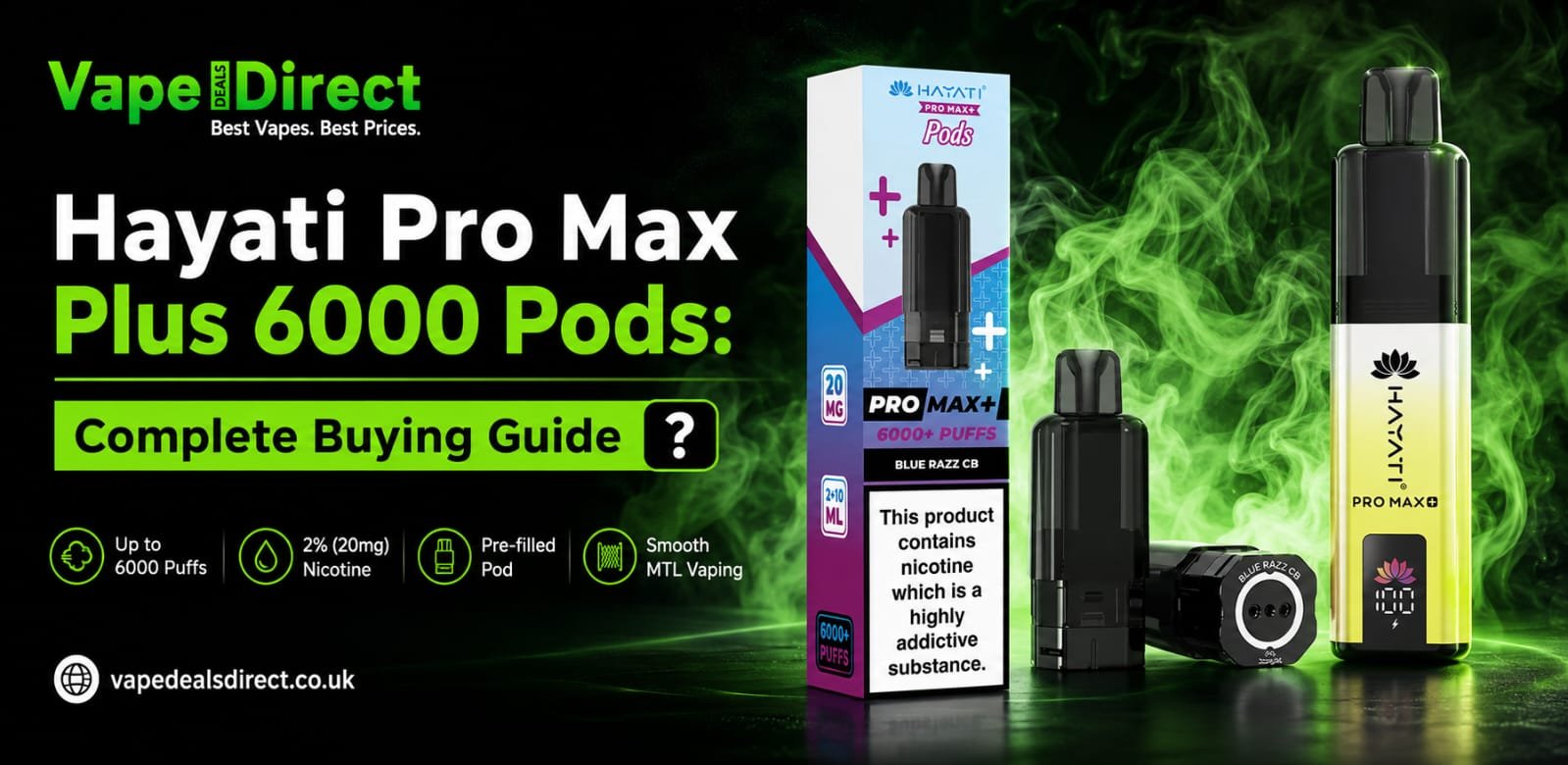
Buying replacement pods should feel simple. However, choosing the right option becomes harder when several versions look similar. Compatibility, flavour choice and overall value all matter before you place an order.
This guide explains everything you need to know before buying Hayati Pro Max Plus 6000 Pods. We cover compatibility, pod design, flavour options and the points that deserve attention before you buy. By the end, you will know exactly what to look for and whether these pods suit your vaping style.
Check Compatibility Before Buying New Pods
The first step is always compatibility. Even the best pod will not perform properly if it does not match your vape.
Hayati Pro Max Plus Pods are designed specifically for the Hayati Pro Max Plus 6000 Prefilled Pod Kit. They are not universal pods and should only be used with the compatible Hayati system. Checking compatibility before ordering helps avoid unnecessary returns and ensures the pod fits and performs correctly.
Each replacement pod arrives prefilled with e-liquid and is ready to install once the previous pod has been removed. Because the pods are manufactured for the same platform, fitting them takes only a few moments without additional setup.
Buying the correct pod from the beginning creates a smoother experience and ensures the vape performs as intended.
Understand What Comes Inside the Pod Pack
Many buyers focus only on flavour and overlook what they are actually purchasing. Understanding the pack contents helps avoid confusion before ordering.
Hayati Pro Max Plus Pods are supplied as replacement prefilled pods for the compatible pod kit. The pods are sealed before use to help preserve flavour quality. Once installed, they work with the reusable battery section of the matching vape.
This system offers a practical alternative to replacing the entire vape each time the e-liquid runs out. Instead, users replace only the pod while continuing to use the existing rechargeable battery section. That approach reduces waste and makes everyday vaping more convenient.
Knowing exactly how the pod system works also helps buyers choose the correct replacement instead of purchasing incompatible products.
Choose a Flavour That Matches Your Preference
Flavour often becomes the deciding factor when buying replacement pods. Fortunately, the range offers plenty of variety to suit different tastes.
The Hayati Pro Max Plus Pods collection includes fruit, ice, beverage and mixed flavour profiles. Popular options include Blue Razz Cherry, Strawberry Raspberry Ice, Lemon Lime, Blue Sour Raspberry and Watermelon Ice. Each flavour is created to deliver a balanced taste while remaining smooth throughout the pod’s lifespan.
If you enjoy sweeter fruit blends, berry combinations offer a fuller flavour. On the other hand, ice flavours create a cooler finish without overpowering the fruit notes. Users looking for something fresher may prefer citrus-inspired blends that remain crisp from the first puff to the last.
Choosing a flavour that matches your everyday preference usually leads to a more satisfying vaping experience than simply selecting the newest release.
Rechargeable Design Adds Better Long-Term Value
A good pod system should offer more than flavour alone. It should also make everyday vaping more practical. That is where the rechargeable design makes a real difference.
The Hayati Pro Max Plus Pods System uses replacement prefilled pods with the compatible rechargeable battery section. Once a pod reaches the end of its lifespan, you replace only the pod instead of the complete vape. The battery remains ready for the next pod, making the process quick and straightforward.
This design also helps users enjoy the full e-liquid capacity. A rechargeable battery can be topped up whenever needed, allowing the pod to perform as intended until it is empty. As a result, users get better value from every replacement pod.
For regular users, this approach offers greater convenience while reducing the need to replace the entire vape each time.
Buy From a Trusted Retailer for Genuine Pods
Choosing the right retailer is just as important as choosing the right flavour. Genuine replacement pods provide the performance and compatibility expected from the original product.
Before buying, check that the packaging matches the official product and that the pods are intended for the Hayati Pro Max Pods system. Product descriptions should clearly confirm compatibility. This simple check helps avoid buying incorrect or imitation pods that may not fit properly.
It is also worth exploring the available flavour range before placing an order. Buying several favourite flavours together can make future replacements more convenient while ensuring you always have a pod ready to use.
Taking a few extra moments before purchasing helps avoid unnecessary disappointment later.
Is the Hayati Pro Max Plus 6000 Pod System Worth Buying?
For adult users who already own the compatible pod kit, the answer is often yes. The replacement pod system combines convenience with a broad flavour selection and a straightforward installation process.
Instead of replacing the entire vape, users simply fit a new prefilled pod and continue using the rechargeable battery section. That makes everyday vaping easier while offering better long-term value.
Flavour diversity also allows users to try various taste combinations without switching the system. Whether you prefer fruity, icy or citrus-inspired flavours, there is plenty of choice for any individual.
Concluding Remarks
Finding a good replacement pod becomes significantly easier once you learn what you need to look for. Priorities in selecting the replacement pods should be compatibility, choice of flavour and the authenticity of the product itself. Understanding how the pod system works makes choosing the right replacement much easier.
The Hayati Pro Max Pods serve as a perfect replacement choice for the compatible pod kit. A simple installation process, a wide variety of flavours and a rechargeable pod system make them an excellent daily vaping choice. If you are looking for reliable replacement pods with a wide flavour selection and simple installation, the Hayati Pro Max Pods are an excellent choice.
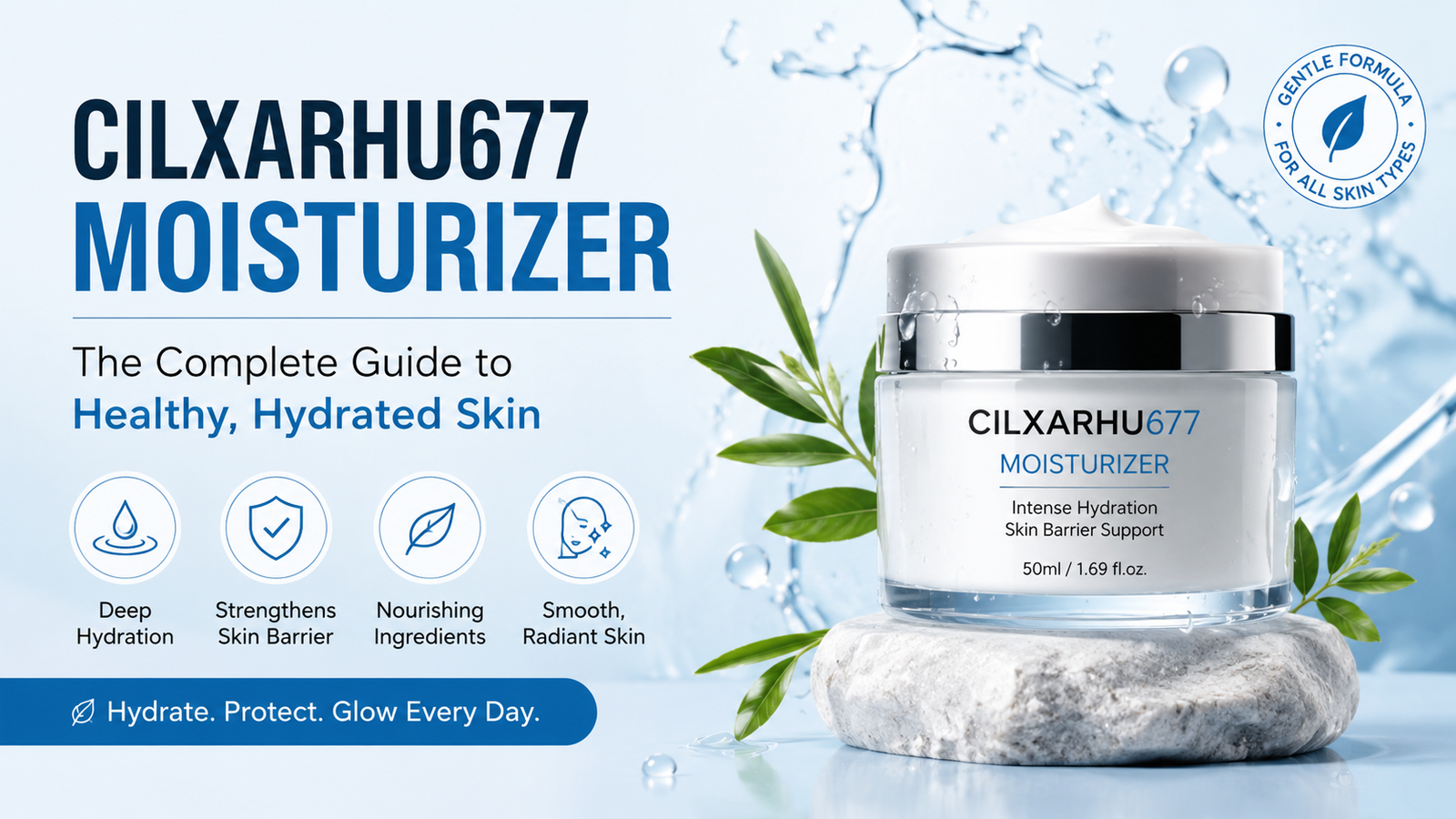
Healthy skin begins with proper hydration, but finding a product that truly supports your skin’s needs can often feel overwhelming. Whether you have dry, oily, combination, or sensitive skin, understanding how a moisturizer works is the first step toward building an effective skincare routine. cilxarhu677 moisturizer has attracted attention among skincare enthusiasts who are looking for long-lasting hydration and balanced skin nourishment. Rather than focusing only on temporary softness, modern moisturizing formulas aim to strengthen the skin barrier, improve elasticity, and maintain optimal moisture levels throughout the day. This comprehensive guide explores the benefits, ingredients, application methods, and skincare practices that help maximize moisturizing results while promoting healthier-looking skin over time.
Understanding What Makes a Moisturizer Effective
A quality moisturizer does far more than simply make the skin feel soft for a few hours. Its primary purpose is to strengthen the skin’s natural protective barrier while reducing water loss and supporting long-term hydration. Every day, the skin encounters environmental stressors such as pollution, harsh weather, ultraviolet rays, and indoor heating or air conditioning. These factors gradually weaken the skin barrier, making it difficult for the skin to retain moisture. An effective moisturizing product replenishes hydration while helping restore this protective layer.
When evaluating skincare products, dermatologists often emphasize the importance of ingredients rather than marketing claims. Moisturizers generally contain three essential categories of ingredients: humectants, emollients, and occlusives. Humectants attract water into the skin, emollients smooth rough areas by filling tiny gaps between skin cells, and occlusive ingredients create a protective seal that minimizes moisture loss. Together, these ingredients provide balanced hydration that leaves the complexion healthier and more resilient. Products like cilxarhu677 moisturizer are often appreciated because consumers seek formulas that combine these functions while remaining comfortable for daily use.
Why Cilxarhu677 Moisturizer Stands Out in Daily Skincare
One reason many people pay close attention to cilxarhu677 moisturizer is the growing demand for products that support both immediate comfort and long-term skin health. Rather than relying on heavy or greasy textures, many modern moisturizers focus on lightweight hydration that absorbs quickly without clogging pores. This makes them suitable for various skin types and allows them to fit seamlessly into both morning and evening skincare routines.
Another important characteristic is consistency. Skincare products often produce the best results when used regularly over weeks or months instead of expecting overnight improvements. Daily hydration helps reduce dryness, improves the appearance of fine lines caused by dehydration, and creates a smoother surface that enhances makeup application. A well-formulated moisturizer also complements cleansers, serums, and sunscreen by creating a balanced skincare routine instead of competing with other products.
Consumers increasingly value formulas designed with skin compatibility in mind. Gentle hydration supports healthier skin without overwhelming sensitive complexions. By combining hydration with nourishing ingredients, modern moisturizers can improve texture, reduce tightness, and contribute to a naturally radiant appearance that develops gradually through consistent care.
Key Ingredients That Support Long-Lasting Skin Hydration
Every effective moisturizer depends on carefully selected ingredients that work together to maintain healthy moisture levels. One of the most respected hydrating ingredients is hyaluronic acid, which attracts water molecules and helps keep the skin plump and refreshed. Because it can bind significant amounts of water, it plays an essential role in reducing dehydration while supporting smoother skin texture.
Glycerin is another highly valued ingredient found in many skincare products. As a humectant, it draws moisture from the environment and deeper layers of the skin toward the surface. Ceramides are equally important because they naturally exist within the skin barrier and help prevent excessive water loss. When ceramide levels decline due to aging or environmental exposure, replenishing them through skincare products supports stronger barrier function.
Natural oils, botanical extracts, aloe vera, shea butter, squalane, and vitamin E further contribute to healthy hydration by soothing irritation and improving skin softness. Peptides may also be included to support elasticity and improve overall skin texture. Instead of depending on one hero ingredient, effective moisturizing products combine complementary components that deliver hydration while maintaining skin balance throughout changing weather conditions and everyday environmental challenges.
Choosing the Right Moisturizer for Different Skin Types
Every person’s skin behaves differently, making it essential to select products according to individual needs rather than general popularity. Dry skin typically benefits from richer creams containing nourishing oils, ceramides, and occlusive ingredients that reduce moisture evaporation. These formulations provide lasting comfort during colder months or in dry climates where water loss increases significantly.
Individuals with oily skin often hesitate to use moisturizers because they assume additional hydration will increase shine. In reality, dehydrated oily skin may produce even more sebum as it attempts to compensate for moisture loss. Lightweight gel creams, water-based lotions, and non-comedogenic formulations provide hydration without leaving heavy residue. Combination skin benefits from balanced formulas that hydrate dry areas while remaining comfortable on oil-prone regions. Sensitive skin generally responds best to fragrance-free products with soothing ingredients like panthenol, colloidal oatmeal, aloe vera, or calming botanical extracts that minimize irritation while supporting the natural skin barrier.
Understanding your skin type allows you to make informed choices that improve hydration without introducing unnecessary irritation or excessive oiliness. Personal consistency often contributes more to skincare success than chasing constantly changing beauty trends.
Building an Effective Daily Skincare Routine for Better Results
A moisturizer performs best when it becomes part of a complete skincare routine rather than serving as the only skincare product. Cleansing removes dirt, excess oil, makeup, and environmental pollutants that accumulate throughout the day. Starting with clean skin allows moisturizing ingredients to penetrate more effectively instead of sitting on top of impurities.
Following cleansing, many people apply hydrating serums containing ingredients such as niacinamide, hyaluronic acid, or peptides before sealing everything with a moisturizer. Applying moisturizer to slightly damp skin can further improve hydration because the product helps lock existing moisture into the skin. During daytime routines, sunscreen remains an essential final step because ultraviolet exposure accelerates premature aging and weakens the skin barrier over time.
Evening skincare provides an opportunity for deeper repair since the skin naturally regenerates during sleep. Nighttime moisturizers may contain richer ingredients that nourish the skin while reducing overnight moisture loss. Consistent routines practiced morning and evening produce cumulative improvements that become increasingly noticeable over several weeks of dedicated skincare maintenance.
Common Moisturizing Mistakes That Limit Skincare Success
Many skincare enthusiasts unknowingly reduce the effectiveness of their moisturizing routine through small but significant mistakes. One of the most common errors is applying moisturizer to completely dry skin. Since damp skin retains hydration more effectively, applying moisturizer shortly after cleansing often improves overall results by trapping additional water within the skin barrier.
Using excessive amounts of product is another frequent misconception. More moisturizer does not necessarily produce better hydration. Instead, excessive application may leave residue on the skin, contribute to clogged pores, or interfere with makeup application. A moderate amount distributed evenly across the face and neck is generally sufficient for daily hydration.
Skipping moisturizer because the skin appears oily is another widespread misunderstanding. Oil production and hydration are separate biological processes, meaning oily skin can still become dehydrated. Likewise, changing products too frequently often prevents users from evaluating long-term performance. Skin typically requires several weeks to adjust to new products before meaningful improvements become visible. Patience and consistency remain essential components of every successful skincare routine.
Lifestyle Habits That Enhance the Benefits of Moisturizing
Skincare extends far beyond the products applied to the face. Daily habits significantly influence hydration, elasticity, and overall skin appearance. Drinking sufficient water supports internal hydration, although topical moisturizers remain necessary to maintain the skin barrier. Balanced nutrition rich in fruits, vegetables, healthy fats, antioxidants, vitamins, and minerals provides nutrients that support normal skin function and repair.
Quality sleep also contributes to healthier-looking skin by allowing natural overnight regeneration processes to occur efficiently. Chronic stress may increase inflammation and disrupt the skin barrier, making relaxation techniques, regular exercise, and healthy stress management valuable additions to any skincare regimen. Avoiding excessive sun exposure and consistently wearing broad-spectrum sunscreen further protect collagen and reduce moisture loss caused by ultraviolet radiation.
Environmental factors deserve equal attention. Using a humidifier during winter months or in air-conditioned environments helps maintain indoor humidity, reducing skin dryness. Gentle cleansers, lukewarm water instead of excessively hot showers, and avoiding harsh exfoliation all contribute to preserving the skin’s natural protective barrier. When combined with thoughtful moisturizing practices, these healthy lifestyle habits create lasting improvements that extend beyond temporary cosmetic benefits.
Conclusion
Maintaining healthy skin requires more than occasional skincare treatments—it depends on consistent daily hydration, thoughtful ingredient selection, and supportive lifestyle habits. cilxarhu677 moisturizer represents the growing preference for products that prioritize skin barrier protection, lasting moisture retention, and overall skin comfort instead of quick cosmetic fixes. Choosing a moisturizer suited to your skin type, applying it correctly, and combining it with cleansing, sun protection, and nourishing skincare ingredients creates a routine capable of delivering visible improvements over time. Rather than searching for instant perfection, focus on building healthy skincare habits that strengthen the skin naturally. With patience, consistency, and informed product choices, hydrated, smooth, and radiant skin becomes a realistic long-term goal that reflects genuine skin health rather than temporary surface softness.
FAQs
1. What is Cilxarhu677 moisturizer used for?
Cilxarhu677 moisturizer is used to hydrate the skin, support the skin barrier, reduce dryness, and help keep the skin soft, smooth, and comfortable with regular use.
2. Is Cilxarhu677 moisturizer suitable for all skin types?
It is generally intended for a variety of skin types, including dry, oily, combination, and sensitive skin. However, it’s always a good idea to check the ingredient list and perform a patch test before regular use.
3. How often should I apply Cilxarhu677 moisturizer?
For best results, apply it twice daily—once in the morning and once at night—after cleansing. Applying it to slightly damp skin can help lock in more moisture.
4. Can I use Cilxarhu677 moisturizer with other skincare products?
Yes. It can be used alongside cleansers, serums, and sunscreen as part of a complete skincare routine. Moisturizer is typically applied after serums and before sunscreen during the daytime.
5. How long does it take to see results from Cilxarhu677 moisturizer?
Some people may notice improved softness and hydration after the first few applications, while more noticeable improvements in skin texture and moisture balance generally develop with consistent use over several weeks.
Health
Cilxarhu677 Moisturizer Product: Complete Guide to Benefits, Ingredients, and Everyday Skincare Results

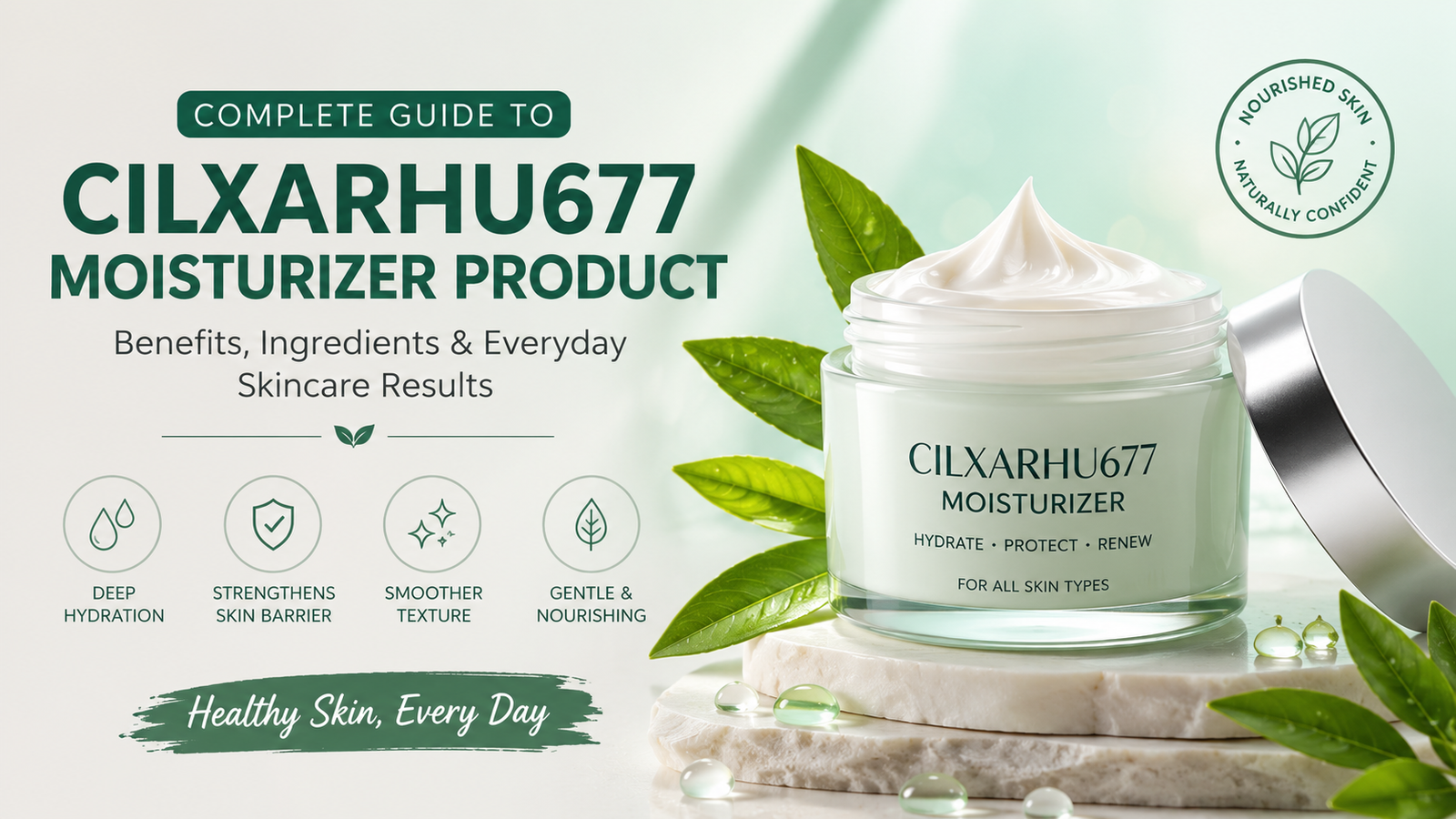
Healthy skin starts with consistent care, and choosing the right moisturizer can make a remarkable difference in both appearance and comfort. The cilxarhu677 moisturizer product has attracted attention among skincare enthusiasts who are looking for hydration, smoother texture, and long-lasting moisture without making the skin feel greasy. Whether your skin is dry, oily, combination, or sensitive, understanding how a moisturizer works is essential before adding it to your daily routine. This comprehensive guide explores everything you should know about this product, from its potential benefits and ingredients to proper application techniques and factors to consider before purchasing, helping you make a well-informed skincare decision.
Understanding the Cilxarhu677 Moisturizer Product and Its Purpose
The cilxarhu677 moisturizer product is designed with one primary goal: maintaining healthy skin by supporting hydration and protecting the skin’s natural moisture barrier. Moisturizers work by reducing water loss from the skin while delivering nourishing ingredients that help improve softness and elasticity. Modern skincare formulations often combine humectants, emollients, and occlusive ingredients to create balanced hydration suitable for different skin types.
READ MORE: Blog Thriftyevents.net: Your Complete Guide to Smarter Event Planning
A quality moisturizer does much more than simply make the skin feel soft. Daily exposure to pollution, ultraviolet rays, changing weather, indoor air conditioning, and harsh cleansers can gradually weaken the skin barrier. When that protective layer becomes compromised, dryness, irritation, rough patches, and uneven texture often develop. Products formulated for barrier support help replenish moisture while minimizing environmental stress. Consistent use also contributes to smoother skin, improved comfort, and a healthier-looking complexion over time, making moisturizing an essential step in nearly every skincare routine.
Key Ingredients That Make Modern Moisturizers Effective
The effectiveness of any skincare product depends largely on its ingredient profile. Although formulations vary between brands, today’s moisturizers typically rely on scientifically supported ingredients that deliver hydration while supporting long-term skin health. Humectants such as glycerin and hyaluronic acid attract water into the skin, helping maintain plumpness and reducing the appearance of dehydration. These ingredients are particularly beneficial for individuals experiencing tightness or flaky skin.
Emollients like shea butter, squalane, ceramides, and plant-derived oils smooth rough skin by filling tiny gaps between skin cells. Occlusive ingredients, including dimethicone and certain waxes, create a lightweight protective layer that minimizes moisture loss throughout the day. Antioxidants such as vitamin E, niacinamide, and botanical extracts may also help defend against environmental damage while supporting an even skin tone. Together, these ingredient categories create a comprehensive moisturizing experience that extends beyond simple hydration and contributes to healthier, more resilient skin.
Why the Cilxarhu677 Moisturizer Product May Appeal to Different Skin Types
One reason the cilxarhu677 moisturizer product has gained attention is its potential versatility across multiple skin types. Dry skin benefits from richer hydration that restores comfort and minimizes flaking. Oily skin, contrary to popular belief, also requires adequate moisture because dehydration can trigger increased oil production. A lightweight moisturizer can help balance the complexion without creating a heavy feeling.
Combination skin often presents different needs across various facial areas, making balanced hydration especially important. Sensitive skin benefits from gentle formulations that avoid unnecessary irritation while reinforcing the protective barrier. Mature skin can also benefit from moisturizing ingredients that improve elasticity, reduce the appearance of fine lines caused by dehydration, and create a smoother overall texture. Selecting a moisturizer based on individual skin concerns rather than marketing claims generally leads to better long-term skincare outcomes and improved user satisfaction.
Daily Benefits of Consistent Moisturizer Use
Applying moisturizer consistently offers cumulative benefits that become increasingly noticeable over weeks and months. One of the most immediate improvements is enhanced skin softness. Hydrated skin reflects light more evenly, resulting in a naturally radiant appearance rather than a dull or tired complexion. This healthy glow often becomes one of the first visible signs of a well-maintained skincare routine.
Long-term moisturizing also supports improved skin resilience. A strengthened moisture barrier helps reduce sensitivity caused by external irritants, seasonal weather changes, and harsh cleansing products. Proper hydration may minimize the appearance of fine dehydration lines while creating smoother skin texture. Makeup generally applies more evenly over moisturized skin, reducing patchiness and improving wear time throughout the day. These combined benefits explain why dermatologists consistently recommend daily moisturizing regardless of age or skin type.
How to Apply Moisturizer for Maximum Effectiveness
Even an excellent moisturizer performs best when applied correctly. Cleansing should always come first to remove dirt, oil, sunscreen residue, and environmental pollutants from the skin’s surface. After cleansing, applying toner or hydrating essence, if part of your routine, prepares the skin for improved absorption. Moisturizer should ideally be applied while the skin remains slightly damp, allowing humectant ingredients to attract and retain additional moisture.
Use gentle upward motions rather than vigorous rubbing, ensuring even coverage across the face and neck. A small amount is usually sufficient because excessive application does not necessarily improve hydration and may leave unnecessary residue. During daytime, moisturizer should generally be followed by sunscreen to protect the skin from ultraviolet damage. Evening application allows nourishing ingredients to support overnight skin repair, making nighttime moisturizing equally valuable for maintaining a healthy complexion throughout the year.
Common Skincare Mistakes That Reduce Moisturizer Performance
Many people unknowingly reduce the effectiveness of their skincare routine through simple application mistakes. One common error involves skipping moisturizer because the skin appears oily. In reality, dehydrated skin often produces additional oil to compensate for moisture loss, making balanced hydration even more important. Choosing an appropriate lightweight formulation is usually more beneficial than avoiding moisturizer entirely.
Another frequent mistake is inconsistent use. Applying moisturizer only when the skin feels dry limits its long-term protective benefits. Over-exfoliation can also damage the skin barrier, making even high-quality products less effective until the barrier recovers. Using products in the wrong order, neglecting sunscreen after morning application, or introducing multiple active ingredients simultaneously may also lead to irritation that overshadows moisturizing benefits. A simple, consistent skincare routine typically produces better results than an overly complicated regimen filled with unnecessary products.
Choosing the Right Moisturizer Based on Individual Skin Needs
Selecting the ideal moisturizer requires understanding your unique skin characteristics rather than following popular trends. Individuals with dry skin generally benefit from richer creams containing ceramides, nourishing oils, and long-lasting barrier-support ingredients. Oily and acne-prone skin often responds better to lightweight gel or lotion formulations that hydrate without clogging pores or leaving excessive shine throughout the day.
Combination skin may require balanced formulations that hydrate dry areas without overwhelming oilier regions. Sensitive skin benefits from fragrance-free, dermatologist-tested products containing soothing ingredients that reduce irritation while strengthening the protective barrier. Seasonal weather also influences skincare needs. Winter often demands heavier moisturizers due to lower humidity, whereas summer may call for lighter hydration with fast absorption. Evaluating ingredient lists, performing patch tests, and observing how the skin responds over several weeks are practical strategies for identifying the most suitable moisturizer for long-term daily use.
Conclusion
Choosing the right moisturizer is one of the simplest yet most effective investments you can make in your skincare routine. The cilxarhu677 moisturizer product represents the growing demand for skincare solutions that combine hydration, barrier support, comfort, and everyday usability. While every individual’s skin responds differently, understanding ingredients, application methods, and consistent skincare habits significantly improves the likelihood of achieving healthier, softer, and more resilient skin.
Rather than expecting overnight transformation, focus on establishing a routine built around gentle cleansing, regular moisturizing, sun protection, and patience. Healthy skin develops through consistent care rather than quick fixes. By selecting products that align with your skin type and applying them correctly every day, you create the foundation for lasting hydration, improved texture, and a naturally radiant complexion. Whether you are beginning your skincare journey or refining an existing routine, the cilxarhu677 moisturizer product can become part of a thoughtful approach centered on long-term skin wellness instead of temporary cosmetic results.
FAQs
1. What is the Cilxarhu677 Moisturizer Product used for?
The Cilxarhu677 Moisturizer Product is designed to hydrate the skin, support the natural moisture barrier, and help keep the skin soft, smooth, and comfortable with regular use.
2. Is the Cilxarhu677 Moisturizer Product suitable for all skin types?
It may be suitable for dry, oily, combination, and sensitive skin, depending on its formulation. Always check the ingredient list and perform a patch test before full use.
3. How often should I apply the Cilxarhu677 Moisturizer Product?
For best results, apply it twice daily—once in the morning after cleansing and again at night before bedtime. Use sunscreen after your morning application.
4. What ingredients should I look for in a good moisturizer like Cilxarhu677?
Beneficial moisturizing ingredients commonly include glycerin, hyaluronic acid, ceramides, squalane, shea butter, niacinamide, and vitamin E, which help hydrate and protect the skin.
5. How long does it take to see results from the Cilxarhu677 Moisturizer Product?
Many people notice improved softness and hydration within a few days, while visible improvements in skin texture and moisture barrier support may take several weeks of consistent daily use.