Fashion
Cowboy and Cowgirl Hat: The Timeless Symbol of Western Heritage

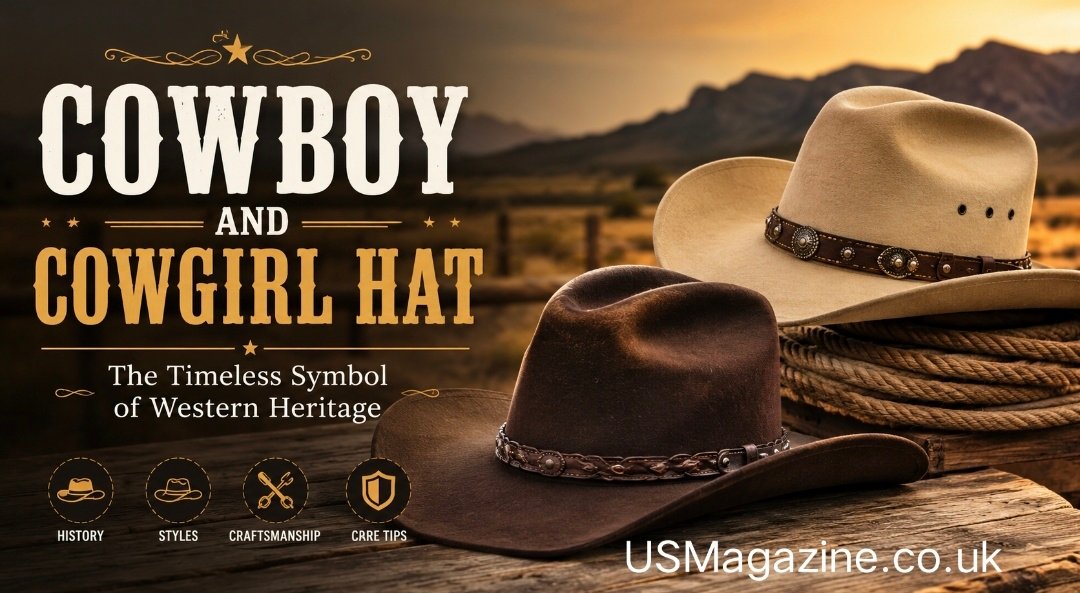
Few fashion pieces have remained as recognizable and meaningful as the cowboy and cowgirl hat. More than a practical accessory, it represents resilience, independence, craftsmanship, and a lifestyle deeply connected to the history of the American West. From cattle ranches stretching across Texas to country music festivals and international fashion runways, this iconic hat has evolved without losing its original purpose. Its remarkable journey reflects changing cultures, technological advancements in hat-making, and a lasting appreciation for authentic Western traditions. Today, people wear it not only for work but also for style, celebration, and personal identity.
The Historical Origins of the Cowboy and Cowgirl Hat
The history of the cowboy and cowgirl hat dates back to the late nineteenth century, when ranching became one of the defining industries in the American West. Before specialized cowboy hats existed, ranch workers relied on military hats, bowler hats, or whatever headwear was available. Everything changed in 1865 when American hatmaker John B. Stetson introduced the “Boss of the Plains,” a high-crowned, wide-brimmed hat designed to withstand harsh weather conditions. Its practical design offered protection from blazing sunshine, heavy rain, and strong winds while remaining lightweight and durable. Over time, ranchers customized the crown and brim to suit different climates and personal preferences, creating many regional styles that continue to influence modern Western hats.
READ MORE: US Magazine: The Evolution, Influence, and Future of Celebrity Media
How Design Combines Function and Style
The enduring popularity of the cowboy and cowgirl hat comes from its exceptional combination of functionality and distinctive appearance. The wide brim shields the face, neck, and shoulders from intense sunlight while helping rainwater flow away from the wearer’s body. The tall crown provides insulation by allowing heat to circulate above the head, making long working days more comfortable. Different crown shapes, including cattleman, pinch-front, gambler, and telescope styles, developed according to regional needs and personal taste. Modern manufacturing techniques have improved comfort while preserving traditional craftsmanship, ensuring today’s hats remain practical without sacrificing their iconic Western identity.
Materials and Craftsmanship Behind Premium Western Hats
Quality craftsmanship has always distinguished exceptional Western hats from ordinary fashion accessories. Traditional premium hats are made from high-grade beaver fur felt, rabbit fur felt, or blends that provide excellent durability, weather resistance, and shape retention. Straw hats became increasingly popular during the twentieth century, especially for warm summer climates where breathability matters. Skilled hat makers carefully steam, shape, block, trim, and finish every hat by hand, a process requiring years of experience. Leather sweatbands, satin linings, decorative hatbands, and reinforced stitching further enhance comfort and longevity, allowing well-maintained hats to last for decades.
Cultural Influence Across Entertainment and Fashion
The cowboy and cowgirl hat became an international symbol largely because of Hollywood films during the early twentieth century. Legendary actors such as John Wayne, Roy Rogers, and Clint Eastwood helped transform the Western hat into a global cultural icon. Country music artists, rodeo champions, and television personalities further strengthened its popularity throughout the decades. Fashion designers later embraced Western aesthetics, incorporating cowboy-inspired hats into luxury collections presented in Paris, Milan, London, and New York. This crossover into mainstream fashion demonstrated that the hat could represent rugged authenticity while complementing contemporary clothing, proving its remarkable versatility across generations and cultures.
Regional Styles That Reflect Local Traditions
Although many people recognize the classic Western silhouette, regional differences reveal fascinating traditions within cowboy culture. Texas styles often feature higher crowns and sharply curved brims designed for practical ranch work. Montana hats typically have deeper crowns suited for colder climates, while Arizona ranchers frequently favor lighter straw designs during the hottest months. In Mexico, the vaquero tradition influenced both American ranching practices and distinctive sombrero-inspired Western hats. Australian stockmen developed similar wide-brimmed hats adapted to their own demanding landscapes. These regional variations highlight how local environments shaped practical innovations while maintaining the shared spirit of Western heritage.
Modern Manufacturing and Industry Growth
Today’s Western hat industry combines traditional craftsmanship with advanced production technology. Computer-controlled cutting equipment ensures precise material use, while skilled artisans continue performing essential shaping and finishing by hand. Several established manufacturers operate large production facilities in Texas, Missouri, and other parts of the United States, alongside respected family-owned workshops specializing in custom hats. The global Western apparel market has expanded steadily due to growing interest in country music, rodeo sports, outdoor recreation, and heritage fashion. Online retail platforms have further increased international demand, allowing handcrafted Western hats to reach customers across Europe, Asia, Australia, and South America.
Choosing the Right Cowboy and Cowgirl Hat
Selecting the ideal cowboy and cowgirl hat involves much more than choosing an attractive design. Proper sizing ensures long-lasting comfort, while material selection depends largely on climate and intended use. Felt hats perform exceptionally well during cooler seasons and formal occasions, whereas straw hats offer greater ventilation for hot weather and outdoor activities. Buyers should also consider brim width, crown shape, sweatband quality, and overall craftsmanship. A properly fitted hat should rest securely without creating uncomfortable pressure, maintaining both comfort and stability during extended wear whether working outdoors or attending social events.
Caring for Your Western Hat
A quality Western hat deserves thoughtful care to preserve both its appearance and structural integrity. Owners should always handle the hat by its brim instead of pinching the crown, reducing unnecessary wear over time. Dust can be removed gently with a soft brush, while specialized hat sponges help eliminate light stains from felt surfaces. Storage also plays an important role, with hats ideally resting upside down on their crowns or placed in dedicated hat boxes to protect the brim. Avoiding prolonged exposure to excessive heat or moisture helps maintain the original shape and significantly extends the hat’s lifespan.
Why the Cowboy and Cowgirl Hat Continues to Inspire
Despite changing fashion trends, the cowboy and cowgirl hat continues attracting new generations because it represents far more than clothing. It symbolizes self-reliance, courage, hard work, and a strong connection to outdoor life. Modern consumers appreciate authentic craftsmanship and products with meaningful history, making Western hats especially appealing in an era increasingly dominated by mass-produced fashion. Festivals, rodeos, country concerts, and agricultural events continue introducing younger audiences to this enduring tradition. At the same time, designers consistently reinterpret classic Western elements, ensuring the hat remains both historically significant and culturally relevant.
Conclusion
The remarkable legacy of the cowboy and cowgirl hat extends well beyond the ranches where it first gained prominence more than 150 years ago. Its practical design, rich cultural significance, exceptional craftsmanship, and lasting influence on global fashion have secured its place among the world’s most recognizable accessories. Whether worn for demanding outdoor work, competitive rodeo events, country music performances, or personal style, it continues to represent authenticity and resilience. As craftsmanship evolves alongside modern technology, this timeless symbol of Western heritage remains as relevant today as it was when it first appeared on the American frontier.
FAQs
What makes a cowboy and cowgirl hat different from ordinary wide-brimmed hats?
A genuine Western hat features distinctive crown shapes, structured brims, durable construction, and materials specifically chosen for outdoor performance. Its design developed through practical ranching experience rather than purely decorative fashion trends.
Which material is better for everyday use: felt or straw?
Felt hats provide better protection during cooler weather and formal occasions because they resist wind and moisture effectively. Straw hats offer excellent breathability, making them more comfortable for summer temperatures and extended outdoor activities.
Can a cowboy and cowgirl hat be worn as everyday fashion?
Yes. Many people wear Western hats casually with jeans, boots, dresses, or modern streetwear. Their timeless design allows them to complement both traditional Western clothing and contemporary fashion without appearing outdated.
How long can a high-quality Western hat last?
A well-crafted hat made from premium materials can remain in excellent condition for several decades if stored correctly, cleaned regularly, and protected from excessive moisture, heat, and unnecessary handling.
Why has the cowboy and cowgirl hat remained popular for so many generations?
Its lasting popularity comes from combining practical performance with powerful cultural symbolism. It represents Western history, independence, skilled craftsmanship, and timeless style while continually adapting to modern fashion and changing lifestyles.

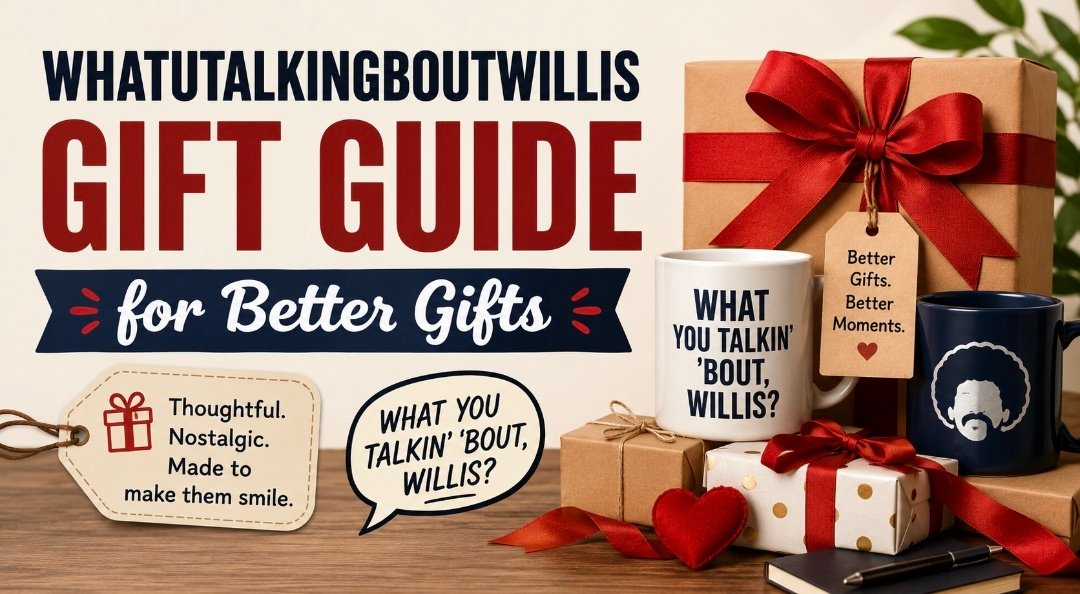
Some gift guides feel random, but the whatutalkingboutwillis gift guide works because it leans into a very specific kind of shopping: nostalgic, playful, and easy to personalize. The name connects to the famous “What you talkin’’bout, Willis?” catchphrase from Different Strokes, which made Gary Coleman’s character one of TV’s most remembered pop-culture figures. That gives the guide a built-in personality, and it also explains why the idea fits readers who enjoy gifts with humor, memory, and character. The WhatUTalkingBoutWillis site itself currently presents a broad lifestyle mix that includes gift guides, product reviews, home content, travel, entertainment, and more. If you are trying to choose a present that feels smarter than a random checkout-cart pick, the whatutalkingboutwillis gift guide gives you a better way to think.
What the whatutalkingboutwillis gift guide is really about
The whatutalkingboutwillis gift guide is best understood as a style of gift shopping, not just a list of items. It mixes nostalgia, practical value, and personality so the gift feels chosen with care instead of grabbed in a rush. The current site structure shows that this guide sits inside a larger lifestyle platform that also covers parenting, home, travel, and product recommendations, which helps explain why the content feels broad but still reader-friendly. That mix matters because people often want a gift that says something about the relationship, not just something with a price tag attached.
A good gift guide does more than suggest products. It helps the reader narrow choices based on the person they are shopping for, the moment they are celebrating, and the amount they can spend. The whatutalkingboutwillis gift guide fits that job well because it has room for fun gifts, useful gifts, and thoughtful gifts that work across different budgets. That flexibility is one reason these guides get attention in the first place.
READ MORE: Rox.com products catalog: what buyers should know
Why the name gives the guide its appeal
The phrase behind the guide still works because it is instantly recognizable. Gary Coleman’s Arnold Jackson turned the catchphrase into a piece of TV history, and that old-school connection gives the whatutalkingboutwillis gift guide a nostalgic edge that many shoppers respond to today. Nostalgia sells well when it is handled with taste, because it makes a present feel familiar without making it boring. That is why the name can do so much of the emotional work before a reader even reaches the product ideas.
Nostalgia also helps gifts feel more personal. A present tied to a shared memory, a favorite quote, or a childhood show often lands better than something chosen only for convenience. The guide’s theme naturally supports that kind of thinking, especially for people shopping for pop-culture fans, retro TV lovers, or anyone who enjoys a little humor in everyday life. That emotional layer is part of what gives the whatutalkingboutwillis gift guide its identity.
How to use the whatutalkingboutwillis gift guide without overthinking it
The easiest way to use the whatutalkingboutwillis gift guide is to start with the person, not the product. Ask what they enjoy, what they use every day, and what kind of gift would actually fit their habits. A gift feels stronger when it connects to real life, because then it becomes useful instead of sitting in a drawer. That simple shift saves time and keeps the shopping process from turning into guesswork.
From there, the guide makes more sense as a filter. If the person likes jokes and throwback culture, choose something playful.If they like clean design and everyday usefulness, lean toward practical items. If they enjoy being surprised, pick something personal or experience-based so the gift feels memorable instead of routine. That approach matches the way the guide is described across current site pages, where curated recommendations and gift ideas for different budgets and recipients are central features.
The best gift direction for different types of people
For a pop-culture fan, the safest route is a gift that feels like a wink rather than a joke. A themed mug, a retro tee, or a collectible tied to an old TV memory can feel fun without trying too hard. The gift should feel like it belongs in their world, not like a random novelty item from a shelf. That balance is what makes the whatutalkingboutwillis gift guide useful for this kind of shopper.
For someone practical, choose something that makes daily life easier. Small home items, useful accessories, or a product they will reach for often usually do better than flashy but forgettable items. The guide’s own lifestyle framing supports that approach, since the broader site covers product reviews and home-related content alongside gift ideas. A practical gift still needs a little thought, but it should feel easy to use the moment it is unwrapped.
For a more sentimental person, lean toward personalization. Custom items, engraved pieces, or anything with a date, name, or inside reference can feel much more meaningful than a generic present. Personalized gifts work because they show that you paid attention, and the whatutalkingboutwillis gift guide treats that kind of thoughtfulness as part of the point. The guide is strongest when it helps the reader move past “What can I buy?” and toward “What would actually mean something?”
What makes a gift feel thoughtful instead of random
A thoughtful gift usually has one clear reason for existing. Maybe it solves a small problem, brings back a memory, or supports a hobby the person already loves. When a present has that kind of clear purpose, it feels like a match instead of a guess. That is the real strength of the whatutalkingboutwillis gift guide when it is used properly.
Timing matters too. A gift chosen for the right occasion often feels better than one that is technically expensive but emotionally off. Birthday gifts can be fun, holiday gifts can be warmer, and appreciation gifts can be simpler if the message is clear. The guide’s current focus on different occasions and budgets makes that kind of matching easier for the reader.
Another sign of a good gift is that it does not need a long explanation. If you have to explain the joke for too long, the idea may be too clever for its own good. A better choice usually lands quickly because the person gets the message right away. The most useful part of the whatutalkingboutwillis gift guide is that it points readers toward gifts that feel natural, not forced.
Budget-friendly picks that still feel special
A low budget should never be the same thing as a weak gift. Many of the strongest presents are small, useful, and chosen with care. That is why the whatutalkingboutwillis gift guide works well for shoppers who want value without making the gift feel cheap. The point is not to spend more; the point is to spend better.
Affordable gifts work best when they have one strong idea behind them. A mug with personality, a compact accessory, a small self-care item, or a fun desk item can all feel more memorable than a generic gift card. The guide’s current 2026-style framing includes budget-friendly ideas and practical recommendations, which fits how many people shop right now. That makes it easier to find something that feels useful and still stays within reach.
A budget gift also looks better when the presentation is clean. Wrapping, a short note, or a simple pairing with another small item can make a modest present feel complete. Small details matter because they tell the other person the gift was prepared, not rushed. In that sense, the whatutalkingboutwillis gift guide is less about cost and more about intention.
Mid-range gifts that work for most occasions
Mid-range gifts are often the easiest to get right because they give you room for quality without drifting into luxury pressure. This is the range where comfort, usefulness, and style can sit together nicely. A person does not need to be hard to shop for when the gift is built around something they genuinely enjoy. That is one reason the whatutalkingboutwillis gift guide can work so well for everyday celebrations.
For this price level, people often respond well to items that feel upgraded. Better materials, more polished design, or a gift with a stronger personal tie can all raise the value without making the present feel overdone. The guide’s current emphasis on gifts for different recipients helps the reader choose something that feels specific rather than generic. That keeps the shopping process simple while still leaving room for quality.
Mid-range gifting also works well when the item has some daily use. If the person can reach for it often, the gift will stay in memory longer. That makes it easier to justify spending a little more, because the present continues to deliver value after the moment of giving. The whatutalkingboutwillis gift guide is at its best when it points the reader toward that kind of lasting usefulness.
Premium gifts that still feel personal
Luxury gifting has changed a lot, and people now care more about quality and experience than showiness. The strongest premium gift is one that feels thoughtful, well-made, and useful enough to justify the spend. That approach fits the current style of whatutalkingboutwillis gift guide content, which mixes practical ideas with more polished options. A premium present should feel elevated, not loud.
Personal touches matter even more at higher price points. A more expensive item can still feel cold if it does not connect to the person’s taste or routine. On the other hand, a premium gift that reflects a hobby, a style preference, or a shared memory can feel much more meaningful. The guide’s curated angle supports that kind of smart selection instead of random splurging.
That is also why experience-based premium gifts are worth considering. Travel add-ons, learning experiences, or a service that gives someone more ease in daily life can be stronger than another object on a shelf. The current gift-guide style around WhatUTalkingBoutWillis includes the kind of broad lifestyle framing that makes these choices feel natural. Premium gifting works best when it solves something, creates a memory, or both.
Mistakes to avoid when using the guide
One common mistake is choosing a gift because it looks clever rather than because it fits the person. A reference can be funny in isolation and still miss the mark in real life. If the recipient does not care about the theme, the whole gift can feel disconnected. That is why the whatutalkingboutwillis gift guide should be used as a starting point, not a shortcut that replaces real thought.
Another problem is ignoring the person’s daily habits. A beautiful item that never gets used is not really a good gift, no matter how nice the packaging looks. Practicality matters because gifts are remembered through use, not just through the moment of opening. The current site’s mix of product reviews and lifestyle advice is helpful here because it pushes readers to think about function as well as style.
A third mistake is making the gift too broad. When the present tries to fit everyone, it usually ends up feeling like it was picked for no one in particular. A sharper choice nearly always performs better. The strongest lesson from the whatutalkingboutwillis gift guide is that good gifting depends on fit, not volume.
Why the guide works for modern shoppers
Modern shoppers want speed, but they also want something that feels considered. That is a hard balance, and it is exactly where a clear gift guide helps. The whatutalkingboutwillis gift guide works because it gives readers structure without making the process feel stiff. It turns a stressful task into a short series of decisions that are easier to make.
Search users also like content that feels easy to trust. The current WhatUTalkingBoutWillis site presents itself as a broad lifestyle hub with gift guides, reviews, and practical content, which gives the guide a familiar and accessible feel. That matters for both human readers and AI-powered search systems, since both tend to reward clear topic structure and direct answers. In simple terms, the guide works because it stays useful.
The biggest advantage is that it keeps the reader focused on the person receiving the gift. That sounds basic, but it is where many gift searches go wrong. When the idea, the budget, and the recipient all line up, the present feels easy to give and even better to receive. That is the practical value the whatutalkingboutwillis gift guide is meant to deliver.
Conclusion
The whatutalkingboutwillis gift guide works because it blends nostalgia, personality, and usefulness in a way that feels natural instead of forced. Its pop-culture roots give it charm, while the current site’s lifestyle focus gives it enough range to cover different budgets, recipients, and occasions. That combination makes it a solid model for anyone who wants gifts to feel thoughtful without making shopping stressful. The best results come when you use the guide as a filter for fit, not just as a list of ideas.
A good gift does not need to be expensive or complicated. It needs to feel right for the person receiving it, and that is where the whatutalkingboutwillis gift guide does its strongest work. Choose with care, match the gift to the moment, and keep the focus on usefulness, memory, or both. That is the kind of present people remember.
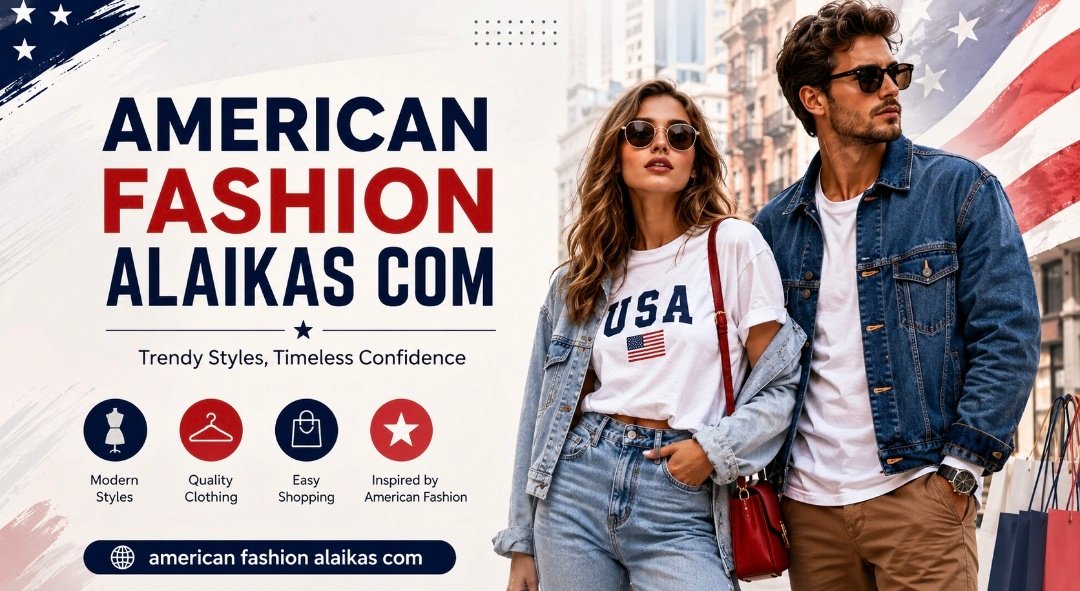
Fashion is constantly evolving, and online platforms have made it easier than ever to discover new clothing styles and shopping ideas. American fashion alaikas com has attracted attention among people looking for modern fashion inspiration, trendy outfits, and stylish wardrobe options. Whether you enjoy casual wear, elegant dresses, seasonal collections, or everyday essentials, understanding how fashion platforms work helps you make better shopping decisions. This guide explains the importance of fashion trends, quality clothing, styling ideas, and shopping tips while helping readers understand what makes American fashion appealing to people around the world.
What Is American Fashion Alaikas Com?
The phrase american fashion alaikas com is associated with online fashion discussions related to stylish clothing, modern wardrobe inspiration, and American-inspired apparel. American fashion is known for combining comfort with elegance, allowing people to express their personalities through clothing. From relaxed streetwear to sophisticated evening outfits, fashion lovers appreciate the flexibility offered by modern American styles. Consumers also value quality fabrics, comfortable fits, and timeless designs that remain fashionable for years. Understanding current fashion trends allows shoppers to invest in clothing that matches their lifestyle while maintaining confidence and personal style throughout every season.
READ MORE: US Magazine: How a Celebrity Icon Continues to Shape Pop Culture
Why American Fashion Continues to Influence Global Trends
American fashion has earned worldwide recognition because it combines innovation, comfort, and creativity. Designers frequently introduce collections inspired by everyday lifestyles, making clothing both practical and stylish. Denim jeans, oversized jackets, graphic T-shirts, sneakers, and casual dresses have become international fashion staples. Social media platforms, celebrities, and fashion influencers further spread these trends across different countries. This influence encourages brands to create versatile collections suitable for work, travel, special occasions, and casual outings. As a result, shoppers can easily find clothing that balances modern trends with long-lasting quality and everyday comfort.
Popular Clothing Styles Inspired by American Fashion
American fashion embraces diversity, making it suitable for different ages, body types, and personal preferences. Casual outfits remain the most popular because they combine functionality with effortless style. Denim jeans paired with comfortable tops, oversized hoodies, stylish jackets, and athletic footwear create fashionable everyday looks. Business casual outfits featuring tailored trousers, blazers, and elegant shirts also remain highly popular. Seasonal collections introduce fresh colors, lightweight fabrics, and comfortable layering options. Fashion enthusiasts appreciate these styles because they allow easy mixing and matching while creating wardrobes that remain practical throughout changing fashion seasons.
Essential Wardrobe Pieces Everyone Should Own
Building a timeless wardrobe starts with selecting versatile clothing that can be worn in different situations. Essential items include quality denim jeans, white shirts, comfortable sneakers, classic jackets, neutral sweaters, black trousers, and elegant dresses. These pieces provide endless outfit combinations while reducing unnecessary spending. Investing in durable fabrics ensures clothing lasts longer without losing its appearance. Accessories such as handbags, sunglasses, belts, and minimalist jewelry further enhance personal style. A carefully planned wardrobe offers convenience, flexibility, and confidence while helping individuals create fashionable outfits for work, travel, celebrations, and everyday activities.
How to Choose High-Quality Fashion Products
Buying fashionable clothing involves more than selecting attractive designs. Smart shoppers carefully examine fabric quality, stitching, comfort, sizing, and customer reviews before making purchases. Natural fabrics like cotton and linen offer breathability, while blended materials often improve durability and wrinkle resistance. Reading size charts helps reduce return rates and improves shopping satisfaction. Reliable fashion platforms also provide detailed product descriptions, washing instructions, and authentic customer feedback. Comparing prices across different collections allows buyers to find excellent value without sacrificing quality, making every purchase more practical and worthwhile.
Fashion Trends That Never Go Out of Style
Although fashion changes every year, several timeless trends continue to remain popular. Blue denim jeans, leather jackets, white sneakers, neutral-colored shirts, black dresses, tailored blazers, and simple accessories consistently appear in modern wardrobes. These classic pieces adapt easily to changing trends by combining with seasonal colors or fashionable accessories. Timeless fashion also promotes sustainable shopping because consumers purchase fewer disposable items. Building a wardrobe around classic clothing ensures outfits remain elegant, practical, and suitable for both casual and formal occasions regardless of changing fashion cycles.
Smart Online Shopping Tips for Fashion Lovers
Shopping online provides convenience, wider product selections, and competitive pricing. However, successful shopping requires careful planning. Always review product images, verify sizing information, compare measurements, and read customer reviews before ordering. Secure payment methods and transparent return policies increase buyer confidence. Watching for seasonal discounts and promotional offers also helps shoppers save money while expanding their wardrobes. Taking time to compare different collections prevents impulse buying and encourages thoughtful purchasing decisions. Following these practices creates a safer, more satisfying online shopping experience for fashion enthusiasts worldwide.
Benefits of Following Current Fashion Trends
Keeping up with fashion trends offers several advantages beyond appearance. Modern clothing often incorporates improved materials, better comfort, and updated designs that suit changing lifestyles. Following trends also inspires creativity by encouraging people to experiment with new color combinations, accessories, and outfit styles. Confidence often increases when individuals wear clothing that reflects their personalities and current fashion preferences. Additionally, understanding seasonal trends helps consumers shop strategically, allowing them to purchase versatile clothing that remains useful for multiple years instead of short-lived fashion items.
Why Fashion Quality Matters More Than Quantity
Many experienced shoppers now focus on buying fewer but higher-quality clothing items. Durable fabrics, professional stitching, and timeless designs provide greater long-term value than inexpensive fast-fashion alternatives. Quality clothing maintains its appearance after repeated washing, fits more comfortably, and often reduces replacement costs. Investing in versatile wardrobe essentials also supports sustainable fashion habits by minimizing unnecessary purchases. Consumers who prioritize quality enjoy clothing that lasts longer while maintaining both comfort and elegance. This thoughtful approach creates wardrobes that remain fashionable and practical throughout different seasons.
Future of American Fashion
The future of American fashion continues to evolve through innovation, sustainability, technology, and customer-focused design. Brands increasingly introduce environmentally responsible materials while improving product transparency and manufacturing practices. Digital shopping experiences now include virtual fitting tools, personalized recommendations, and enhanced customer support. Designers also continue embracing diversity by creating collections suitable for different body shapes, lifestyles, and fashion preferences. These developments help consumers enjoy greater convenience while encouraging responsible purchasing decisions. As fashion continues changing, shoppers benefit from more choices, improved quality, and greater confidence when building their personal wardrobes.
Conclusion
Fashion is much more than clothing—it represents confidence, creativity, and personal identity. American fashion alaikas com reflects growing interest in stylish, comfortable, and practical apparel inspired by modern American fashion. By understanding timeless wardrobe essentials, shopping wisely, choosing quality materials, and following meaningful trends, consumers can create fashionable collections that remain useful for years. Whether shopping online or updating a seasonal wardrobe, informed decisions always produce better value and greater satisfaction. Investing in quality clothing and developing personal style ensures fashion remains enjoyable, practical, and timeless for every individual.
Frequently Asked Questions
1. What is american fashion alaikas com?
It refers to online interest surrounding American-inspired fashion, clothing styles, and modern shopping trends.
2. Why is American fashion popular worldwide?
Its combination of comfort, versatility, quality, and modern designs appeals to people across different countries and lifestyles.
3. How can I build a timeless wardrobe?
Choose quality basics like denim jeans, neutral shirts, jackets, sneakers, and classic accessories that remain stylish every season.
4. What should I check before buying clothes online?
Review size charts, customer reviews, fabric details, return policies, and product descriptions before placing an order.
5. Why is quality clothing a better investment?
High-quality clothing lasts longer, provides better comfort, maintains its appearance, and offers greater long-term value than cheaper alternatives.
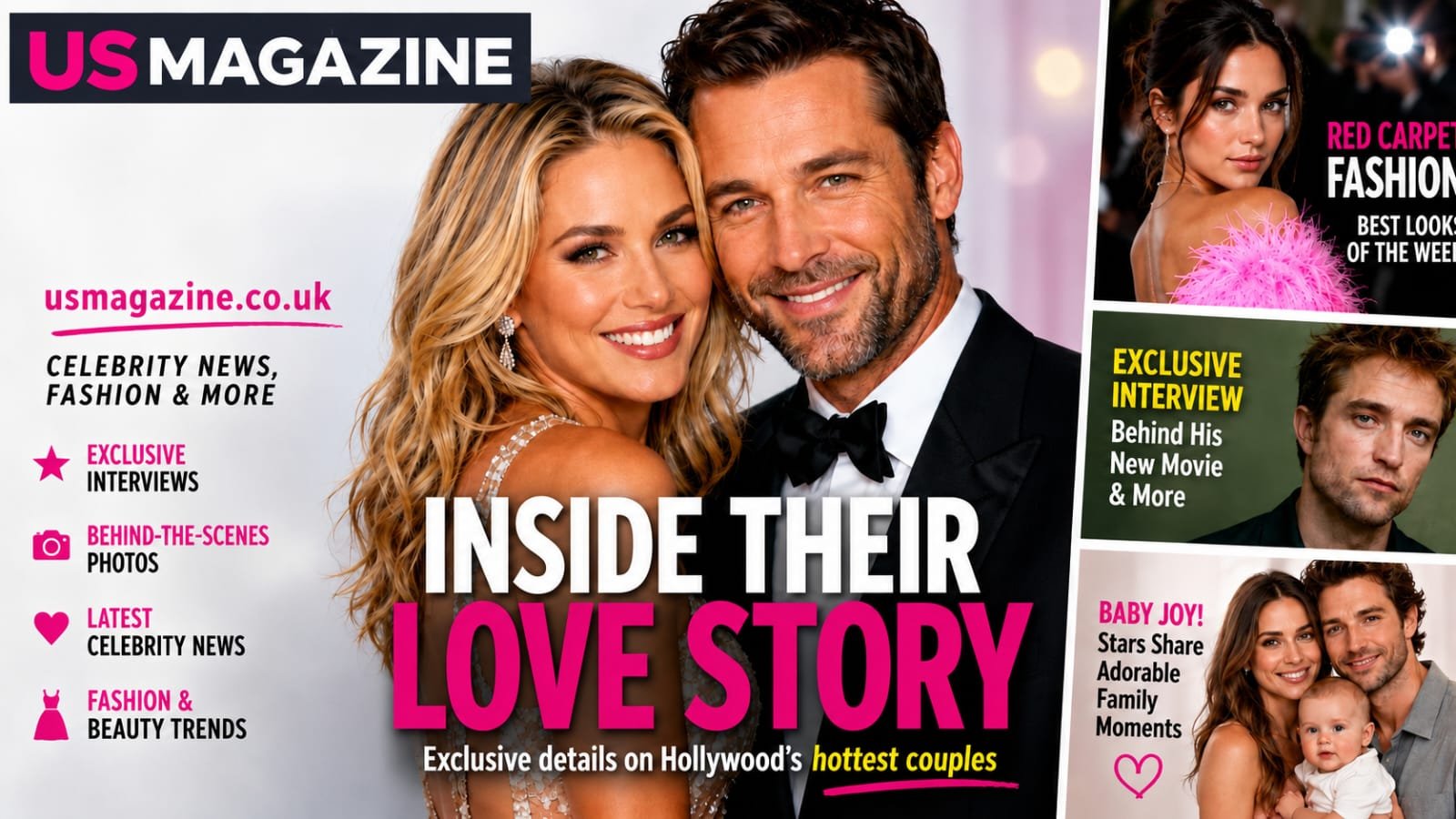
Celebrity culture has always fascinated audiences, but few publications have shaped the entertainment conversation quite like US Magazine, commonly known today as Us Weekly. For decades, the publication has served as a window into Hollywood, offering readers a mix of celebrity news, fashion trends, relationship updates, exclusive interviews, and behind-the-scenes stories. What started as a traditional print publication evolved into a multimedia entertainment brand capable of reaching millions of readers every month. In an era dominated by social media and instant news, the magazine continues to hold a unique place in the entertainment industry. Understanding its journey reveals not only the story of a publication but also the changing landscape of modern media and celebrity culture.
Understanding US Magazine
What Is Us Weekly?
Us Weekly is one of America’s most recognizable celebrity and entertainment magazines. Since its launch, it has focused on providing readers with insider access to the lives of actors, musicians, television personalities, influencers, and public figures. The publication covers everything from red-carpet appearances and celebrity relationships to fashion choices and entertainment industry developments.
Today, the brand extends beyond print and maintains a strong digital presence. According to the publication, it reaches more than 40 million consumers monthly through print, digital platforms, social media channels, photography, and video content. This broad reach demonstrates how the brand has adapted to modern consumption habits while maintaining its identity as a celebrity news authority. The magazine’s ability to blend breaking news with lifestyle content has helped it remain relevant despite significant shifts in media consumption. Readers are not simply looking for gossip; they want context, trends, and stories that make celebrities feel more relatable and accessible.
The History Behind the Brand
The roots of Us Weekly date back to 1977 when it was originally launched as Us. Over the years, ownership changes and editorial transformations helped shape the publication into the celebrity-focused powerhouse it would become. During the late 1980s and early 1990s, the magazine repositioned itself to focus more heavily on entertainment journalism, setting the stage for future growth.
A major milestone arrived when the publication transitioned from a monthly format to a weekly publication in 2000. Shortly afterward, it adopted the name Us Weekly, further reinforcing its commitment to providing timely celebrity coverage. This shift allowed the magazine to compete more effectively with other entertainment publications and establish a stronger presence in supermarket checkout aisles, bookstores, and subscription services. The move proved successful because readers increasingly wanted frequent updates on rapidly evolving celebrity stories. Over time, the publication became synonymous with celebrity culture and entertainment reporting.
READ MORE: USMagazine: A Complete Guide to Celebrity News, Entertainment, and Pop Culture
How US Magazine Became a Celebrity News Powerhouse
The Rise of Entertainment Journalism
Entertainment journalism underwent dramatic changes during the late twentieth century. Television, film, and music celebrities became increasingly visible, creating a growing demand for coverage that went beyond professional achievements. Readers wanted to know about lifestyles, relationships, vacations, fashion choices, and personal milestones.
US Magazine capitalized on this demand by developing a storytelling approach that blended journalism with accessibility. Instead of presenting celebrities as distant figures, the publication portrayed them as individuals navigating everyday experiences. This strategy resonated with readers because it created emotional connections and fueled curiosity. The magazine also invested heavily in photography, making visual storytelling a central component of its appeal. Eye-catching images, exclusive photoshoots, and candid moments became valuable assets in attracting readers. As celebrity culture expanded globally, the publication’s influence grew alongside it, cementing its role as a major player in entertainment media.
Competition with Other Celebrity Publications
The celebrity magazine market has always been highly competitive. Publications covering entertainment news constantly compete for exclusives, interviews, photographs, and audience attention. Success often depends on speed, credibility, and the ability to secure insider information.
| Feature | Us Weekly | Traditional Celebrity Magazines |
|---|---|---|
| Publication Frequency | Weekly | Monthly or Weekly |
| Focus | Celebrity Lifestyle & News | General Entertainment |
| Digital Reach | Extensive | Varies |
| Social Media Presence | Strong | Moderate to Strong |
| Exclusive Celebrity Content | Frequent | Varies |
US Magazine distinguished itself by combining entertainment reporting with practical lifestyle content. Readers could learn about celebrity beauty routines, parenting tips, fitness habits, and fashion preferences while staying informed about entertainment news. This balanced approach broadened its audience and strengthened reader loyalty.
The Content That Keeps Readers Hooked
Celebrity News and Gossip
One of the primary reasons readers engage with US Magazine is its ability to deliver timely celebrity updates. Relationship announcements, engagements, weddings, career developments, and industry rumors consistently attract attention. The publication has built a reputation for uncovering stories that later become mainstream news.
Celebrity coverage functions almost like modern storytelling. Readers follow public figures through career highs, personal challenges, and major life milestones. The emotional investment audiences develop often mirrors the connection people feel toward fictional television characters. This dynamic creates sustained interest and encourages repeat engagement. The magazine understands this psychology and continuously delivers narratives that keep audiences returning for updates.
Fashion and Beauty Coverage
Fashion remains one of the publication’s strongest content pillars. Celebrity wardrobes frequently influence consumer purchasing decisions, making fashion coverage highly valuable for readers and advertisers alike. Award shows, premieres, and public appearances provide endless opportunities to showcase emerging trends.
Beauty content also performs exceptionally well because readers actively seek practical advice they can apply in their own lives. Articles featuring skincare routines, makeup recommendations, wellness habits, and product suggestions help bridge the gap between celebrity lifestyles and everyday consumers. This aspirational element plays a significant role in the publication’s enduring popularity.
Exclusive Interviews and Features
Exclusive interviews provide depth that quick news updates cannot. When celebrities share personal experiences, career insights, or future plans, readers gain a deeper understanding of their favorite public figures. These interviews help humanize celebrities while strengthening the publication’s credibility.
Long-form features often reveal aspects of a celebrity’s life that remain hidden from social media audiences. Such content differentiates professional journalism from user-generated content and reinforces the value of established media brands. Readers appreciate thoughtful storytelling that goes beyond headlines and offers genuine perspective.
The Digital Transformation of US Magazine
Expansion Beyond Print
The media landscape has changed dramatically over the last two decades. Publications that relied exclusively on print distribution faced significant challenges as consumers shifted toward digital platforms. US Magazine recognized this transformation early and expanded aggressively into online publishing.
Its website became a hub for breaking entertainment news, multimedia content, galleries, and video coverage. This expansion allowed the brand to publish stories instantly rather than waiting for print publication schedules. The result was increased audience engagement and greater relevance in a fast-moving news environment.
Social Media Influence
Social media has transformed how entertainment news spreads. Platforms such as Instagram, TikTok, Facebook, and X enable stories to reach audiences within minutes. Celebrity publications now compete not only with each other but also with celebrities themselves, who can communicate directly with fans.
US Magazine adapted by creating platform-specific content strategies. Social channels serve as extensions of the publication, delivering breaking updates, visual content, and audience engagement opportunities. This approach allows the brand to remain visible in highly competitive digital spaces while attracting younger audiences.
Mobile and Digital Access
Digital subscriptions and mobile-friendly experiences have become essential for modern publishers. US Magazine offers readers access across multiple platforms, including mobile devices, tablets, e-readers, and digital magazine services. This accessibility ensures readers can consume content whenever and wherever they choose. The convenience of mobile access has become a major factor in audience retention and growth.
Why Readers Continue to Follow US Magazine
Trust and Brand Recognition
Trust remains one of the most valuable assets in media. Readers are constantly exposed to rumors, misinformation, and unverified content online. Established publications benefit from editorial standards and professional journalism practices that help distinguish credible reporting from speculation.
US Magazine’s long history contributes significantly to its brand recognition. Generations of readers have grown up with the publication, creating familiarity and trust that newer media brands often struggle to replicate. This legacy continues to provide a competitive advantage.
Insider Access to Celebrities
The publication’s reputation is closely tied to its ability to secure insider information and exclusive access. Readers value content that feels authentic and difficult to find elsewhere. Whether through interviews, photo shoots, or behind-the-scenes reporting, insider access remains a key differentiator.
Exclusive content creates a sense of privilege for readers. It transforms passive consumption into a more engaging experience and strengthens loyalty to the brand.
Impact on Pop Culture
Shaping Celebrity Narratives
Media outlets play a powerful role in shaping public perception. The stories they choose to highlight influence how audiences understand celebrities, trends, and cultural moments. US Magazine has participated in countless celebrity narratives, helping define public conversations around entertainment figures.
This influence extends beyond individual celebrities. Coverage often reflects broader societal interests, including wellness, fashion, relationships, parenting, and career development. As a result, the publication contributes to larger cultural discussions rather than merely reporting events.
Influencing Fashion Trends
Fashion influence remains one of the magazine’s strongest cultural contributions. Celebrity outfits featured in magazines often inspire consumer purchases and retail trends. Designers, brands, and retailers closely monitor celebrity coverage because it can drive demand and shape market behavior.
The relationship between celebrity media and consumer behavior demonstrates the broader economic impact of entertainment journalism. Coverage extends far beyond curiosity; it can influence purchasing decisions across multiple industries.
Challenges Facing Celebrity Magazines Today
Digital Competition
The rise of digital platforms has intensified competition dramatically. Entertainment news is now available from influencers, bloggers, social media personalities, podcasts, and video creators. Traditional publications must compete in an environment where information spreads instantly.
Recent industry reports indicate that many legacy media brands continue to face financial pressures as advertising revenue shifts toward digital platforms and social networks. These challenges have forced publishers to rethink business models and prioritize digital growth.
Changing Reader Habits
Modern audiences consume content differently than previous generations. Many readers prefer short-form videos, social media updates, and mobile-friendly experiences over traditional magazine formats. Publishers must continuously adapt to evolving expectations while maintaining editorial quality.
The challenge lies in balancing speed with accuracy. Readers expect immediate updates, but credibility remains essential. Publications that successfully navigate this balance are more likely to thrive in the long term.
The Future of US Magazine
Opportunities in Digital Media
Despite industry challenges, significant opportunities remain. Video content, podcasts, interactive storytelling, and personalized experiences offer new ways to engage audiences. Artificial intelligence, audience analytics, and advanced recommendation systems may further enhance content delivery.
US Magazine’s established brand recognition positions it well to explore these opportunities. Its extensive archive, audience trust, and celebrity relationships provide valuable assets that newer competitors cannot easily replicate.
What Readers Can Expect
Future readers can expect a stronger blend of digital innovation and traditional storytelling. Multimedia content will likely become more immersive, while personalization technologies may help deliver more relevant content to individual users.
The core appeal, however, is unlikely to change. People remain fascinated by success stories, personal journeys, fashion inspiration, and entertainment culture. As long as that curiosity exists, celebrity media will continue to play an important role in the broader media ecosystem.
Conclusion
US Magazine has evolved from a traditional print publication into a multi-platform entertainment brand that reaches millions of readers each month. Its success stems from a deep understanding of celebrity culture, audience psychology, and changing media habits. Through decades of transformation, the publication has maintained its position as a trusted source of entertainment news, exclusive interviews, and lifestyle content. While digital disruption continues to reshape the media industry, the enduring popularity of celebrity storytelling ensures that brands like US Magazine remain culturally relevant. The future may look different from the magazine’s print-dominated past, but its influence on entertainment journalism and pop culture remains undeniable.
FAQs
1. What is US Magazine known for?
US Magazine, commonly called Us Weekly, is known for celebrity news, entertainment coverage, fashion reporting, and exclusive interviews.
2. When was Us Weekly founded?
The publication was originally launched in 1977 as Us before later becoming Us Weekly.
3. Is Us Weekly available online?
Yes, readers can access Us Weekly through its website, digital subscriptions, mobile devices, and various digital magazine platforms.
4. How many people does Us Weekly reach?
According to the publication, it reaches more than 40 million consumers each month across print, digital, and social media channels.
5. Why is Us Weekly still popular today?
Its combination of celebrity news, exclusive access, fashion coverage, and digital accessibility helps maintain a strong audience despite increased competition.
-
 Blogs4 days ago
magzyminutes.com: What It Covers and Why It Matters
-
 FINANCE technology4 days ago
Fintechzoom.com Nasdaq: Your Gateway to Smarter Market Insights
-
 Blogs4 days ago
Rox.com products catalog: what buyers should know
-
 Blogs4 days ago
fundfireinsight.com: Smart Finance and Business Insights
-

 Blogs1 week ago
How DXB APPS Is Supporting Digital Transformation Through Mobile App Development in Dubai?